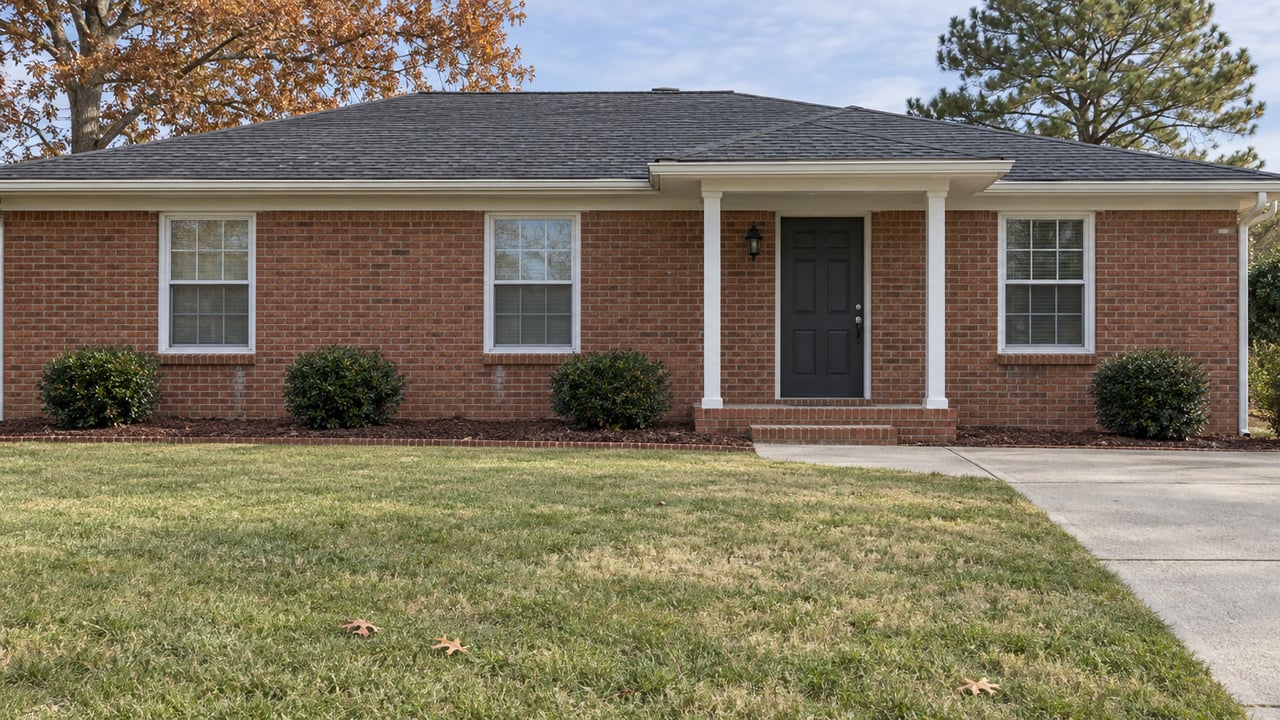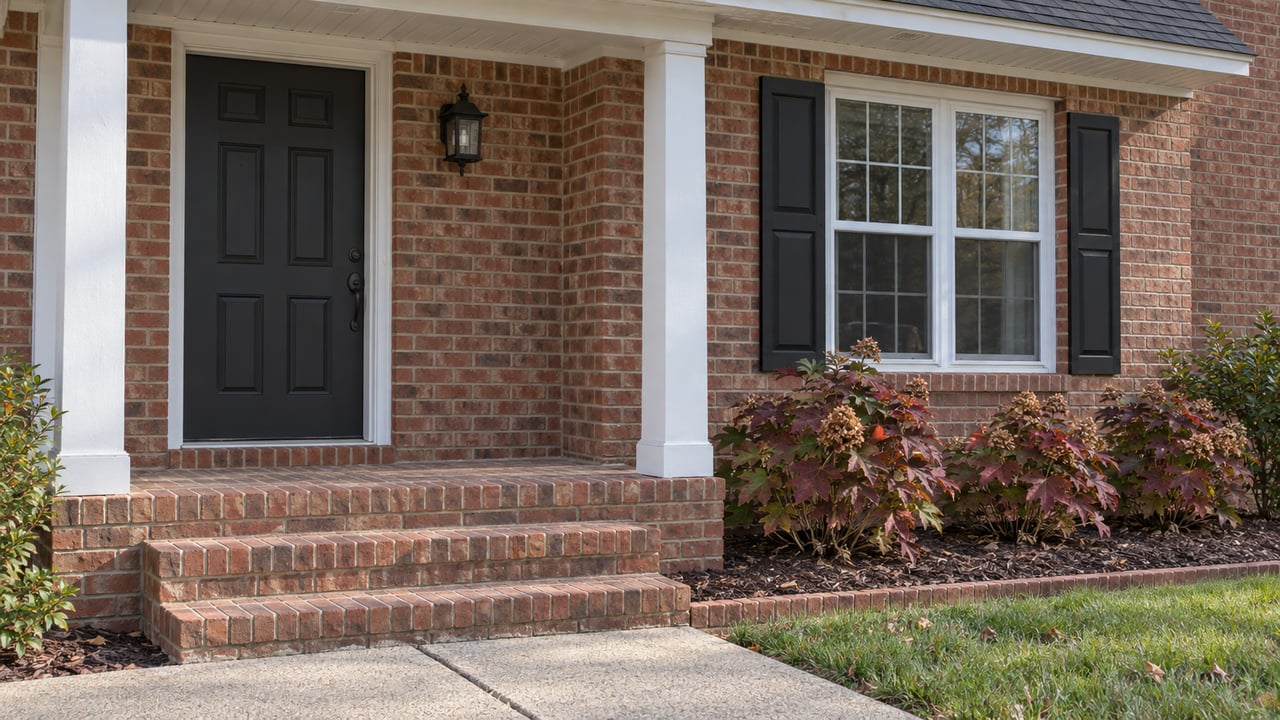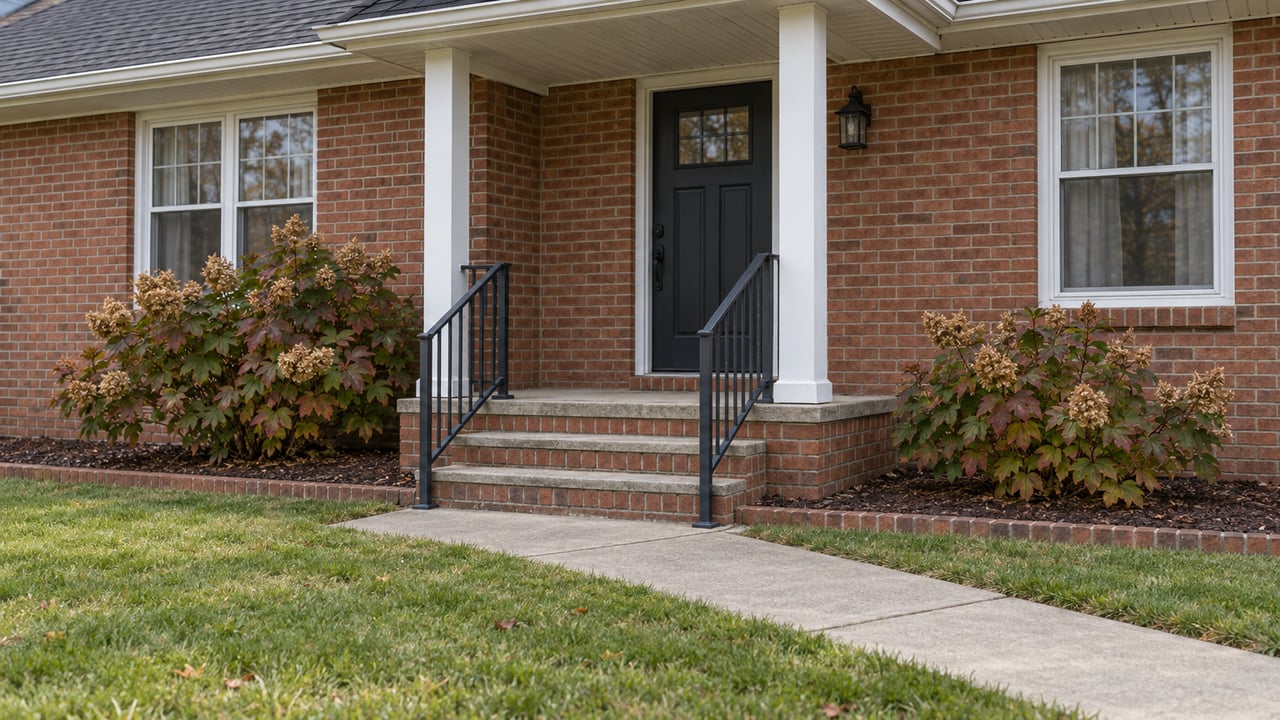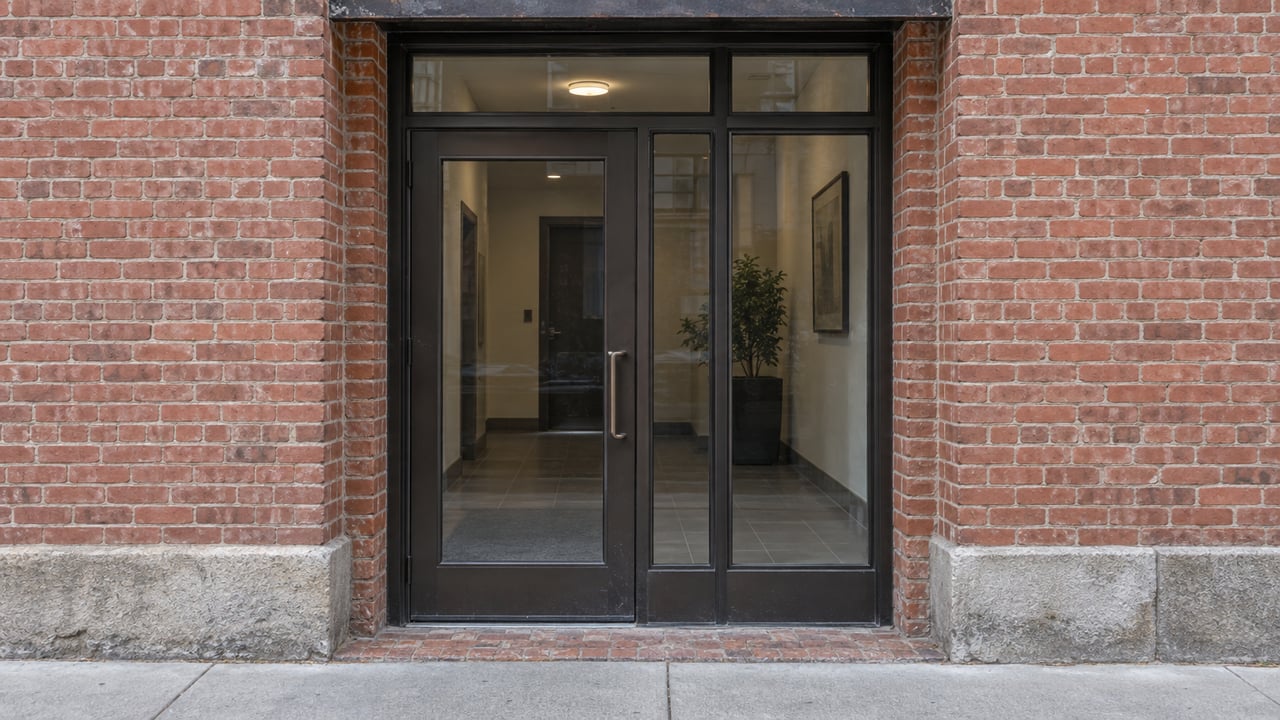
Picture two condo listings in downtown Durham, less than a mile apart. One sits inside a new building in the Morehead Hill Historic District, with the listing describing it as a chance to "own a piece of Durham history reimagined." The other sits inside a 1927 tobacco warehouse, behind exposed brick and heavy timber. Both listings use the word historic, and each use is accurate in its own way.
The distinction changes what a buyer is paying for.
What "historic" costs a developer to earn
Durham's downtown loft market rests on two stacked tax incentives. Preservation North Carolina says the federal government has offered a 20 percent income tax credit for the rehabilitation of qualifying historic, income-producing buildings since the credit first appeared in 1976. North Carolina added its own credit on top of that, and the UNC School of Government says the current version, in place since 2016, gives income-producing rehabilitation projects a base credit of 10 to 15 percent of qualified costs, with bonus tiers that can push the state credit as high as 25 percent for projects in certain counties or with targeted investment. Preservation Durham describes a separate 15 percent state credit for owner-occupied, non-income-producing historic properties.
To collect any of it, the rehabilitation has to follow the Secretary of the Interior's Standards for Rehabilitation, administered through North Carolina's State Historic Preservation Office. That is why Durham's real mill conversions kept their original brick, their original windows, and their original structural bones.
American Tobacco Campus is the clearest example. The factory was built in 1874 and at one point produced the first nationally marketed tobacco brand in the country. It closed in 1987 as demand for tobacco products fell, and it sat empty until renovation work finally began in 2004. Seventeen years of vacancy is a long time for a building that size to survive without a financial reason to save it. Today the campus includes residences like Old Bull and Noell, plus a former tobacco warehouse called Bay 7, all converted rather than replaced.
A few blocks over, West Village took six historic tobacco manufacturing buildings constructed between 1899 and 1926 and converted them into 375 apartments alongside office, lab, and retail space. One of those buildings, the Chesterfield, is the third largest historic tax credit project in the entire state. Golden Belt did the same with its own textile mill and bag factory, listed on the National Register of Historic Places in 1985, its 116 contributing buildings now holding 37 modern lofts, some with mezzanine sleeping areas tucked under the original roofline. Erwin Mill preserved architecture dating to the 1890s, including atrium windows and warehouse beams. Bullington Warehouse, built in 1927, and Baldwin Lofts, twelve units carved out of Durham's 1927 department store, round out the list of converted buildings downtown. The ground floor of Baldwin Lofts is now home to the Cuban restaurant Copa.
Durham-based developer Belmont Sayre, led by Ken Reiter, built its business almost entirely around these projects. According to Novoco, when the state's mill rehabilitation credit came close to expiring in the mid-2010s, Reiter looked seriously at moving projects to South Carolina, Georgia, or Texas rather than lose the incentive. His comments show how closely the economics of a conversion depend on the credit staying in place.
How new construction fits into the historic setting
New buildings still rise inside the same historic settings, and their listings naturally draw on that context.
Elm Hill, a 68-unit townhome-style condo community developed through a joint venture between Alchemy Properties and Takamatsu Construction Group USA announced in December 2025, sits inside the Morehead Hill Historic District and starts at $875,000. It has 10-foot ceilings, quartz countertops, and private rooftop terraces. The building is new construction.
The Grove, in the American Tobacco District, is another example. Completed in 2022, the building holds 133 units across four stories with a flat roof and a mix of glass and paneled facade, and its main living areas have 16-foot ceilings. Its smallest one-bedroom units, at 1,256 to 1,347 square feet, were priced between $509,990 and $530,000. It stands close enough to Old Bull and Bay 7 that a buyer can tour all three in the same afternoon, and their construction histories differ, since The Grove was built new and the other two were converted.
Four downtown buildings side by side
| Building | Construction | Unit range (approx.) | Historic status |
|---|---|---|---|
| City Port (west of American Tobacco Campus) | Condo building | Studios from around $200,000, 3BR from around $500,000 | Price reference point for downtown condos |
| The Grove (American Tobacco District) | New construction, completed 2022 | 1BR units from $509,990 to $530,000 | New construction in a historic setting |
| Baldwin Lofts (downtown) | Converted 1927 department store | 12 units, 668 to 1,296 sq ft | Adaptive reuse of an original structure |
| Elm Hill (Morehead Hill) | New construction | From $875,000 | New construction |
Elm Hill starts at $875,000, well above the roughly $200,000 to $500,000 range at City Port, and The Grove's smallest one-bedrooms sit near City Port's three-bedroom starting point. Those prices reflect features such as garage parking, rooftop terraces, and newer construction, so a buyer comparing them with a converted loft is comparing different products.
What changes after closing
The gap does not end at the purchase price. The specific review that applies to a unit inside a certified historic conversion depends on the address and its designation.
A buyer in a new building like The Grove or Elm Hill owns a structure that was never a historic rehabilitation, so the renovation path can look different. That distinction is worth confirming before planning changes.
Downtown Durham is still adding to both categories. The city and county adopted the Downtown Durham 2035 Blueprint in January 2026, a plan meant to preserve the area's character while supporting continued growth. New and converted buildings will keep appearing side by side, and knowing whether a listing is historic through a tax credit rehabilitation or through its district setting helps a buyer compare them accurately.
FAQ
If I buy a unit in one of these converted mill buildings, can I get a tax credit for my own renovation work? North Carolina offers a 15 percent state credit for owner-occupied, non-income-producing historic properties
Comparing a converted loft with a new downtown condo comes down to knowing what each one is. If you're weighing options in American Tobacco, West Village, Golden Belt, or Morehead Hill, let's connect through Carmelina Hall for a free buyer consultation.
This article is general information, not legal, tax or financial advice. Consult a qualified professional about your situation.