Thinking about a move to Wake Forest but want to know what daily life really looks like? You’re not alone. Many families and professionals are drawn to its small-town downtown, newer neighborhoods, and easy access to Raleigh. In this guide, you’ll get a clear look at housing, schools, parks, commutes, and the trade-offs so you can decide if it fits your lifestyle. Let’s dive in.
Where Wake Forest fits in the Triangle
Wake Forest sits just north of Raleigh in Wake County, about 14 to 20 miles from downtown Raleigh depending on your route. It feels like a mid-sized town anchored by a historic main street with modern suburban neighborhoods stretching around it. The 2020 U.S. Census counted roughly 47,600 residents, and the town has grown quickly with the wider Raleigh-area expansion.
The town’s character blends two things many people want. You get a walkable historic core with local shops and a steady calendar of community events, plus the space and amenities of planned subdivisions. It is a commuter-friendly spot for jobs in Raleigh, Research Triangle Park, and surrounding employment centers.
Neighborhoods and housing options
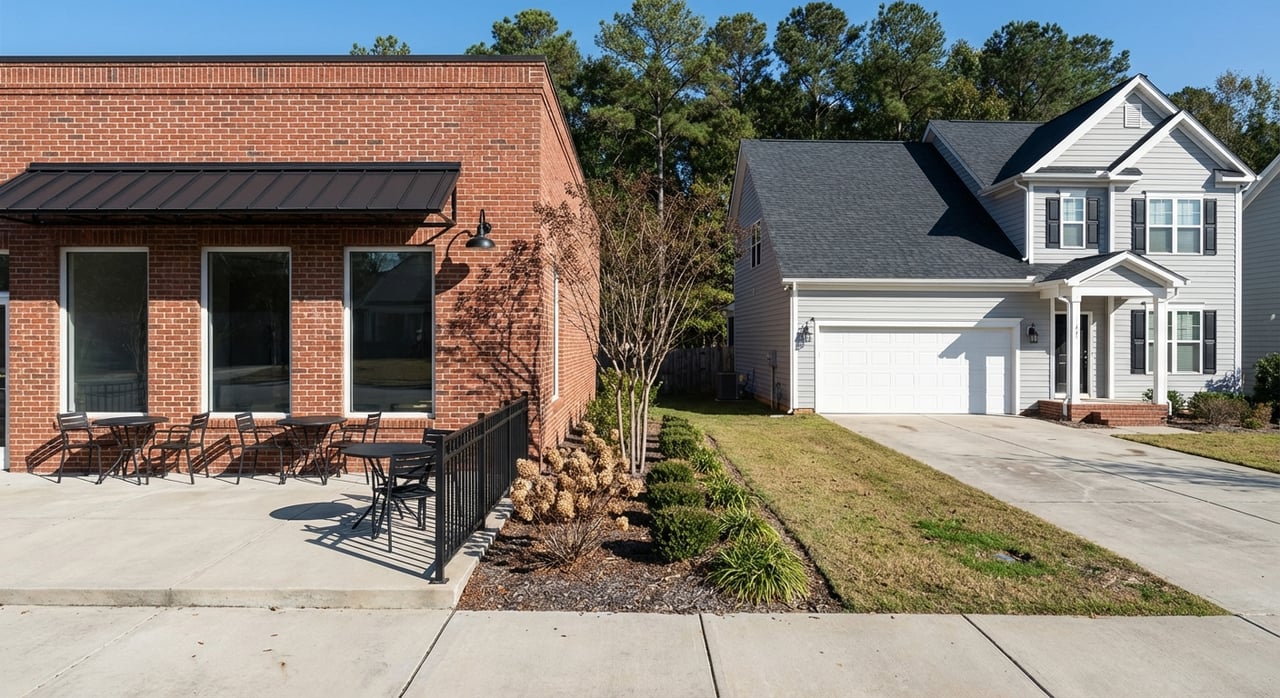
You’ll find a mix of older in-town homes near downtown and large-scale subdivisions built from the 1990s onward. Most of the area is single-family, with townhomes and limited multifamily options in select pockets. Lot sizes, HOA amenities, and home ages vary by neighborhood, which gives you room to prioritize space, yard, or convenience.
Prices in Wake Forest tend to run above the North Carolina state average. That reflects proximity to Raleigh and the overall quality-of-life appeal. The market can be competitive, and prices vary widely by neighborhood, home age, and lot size. New development continues, which brings more choice along with typical growth conversations about traffic and school capacity.
What a typical home offers
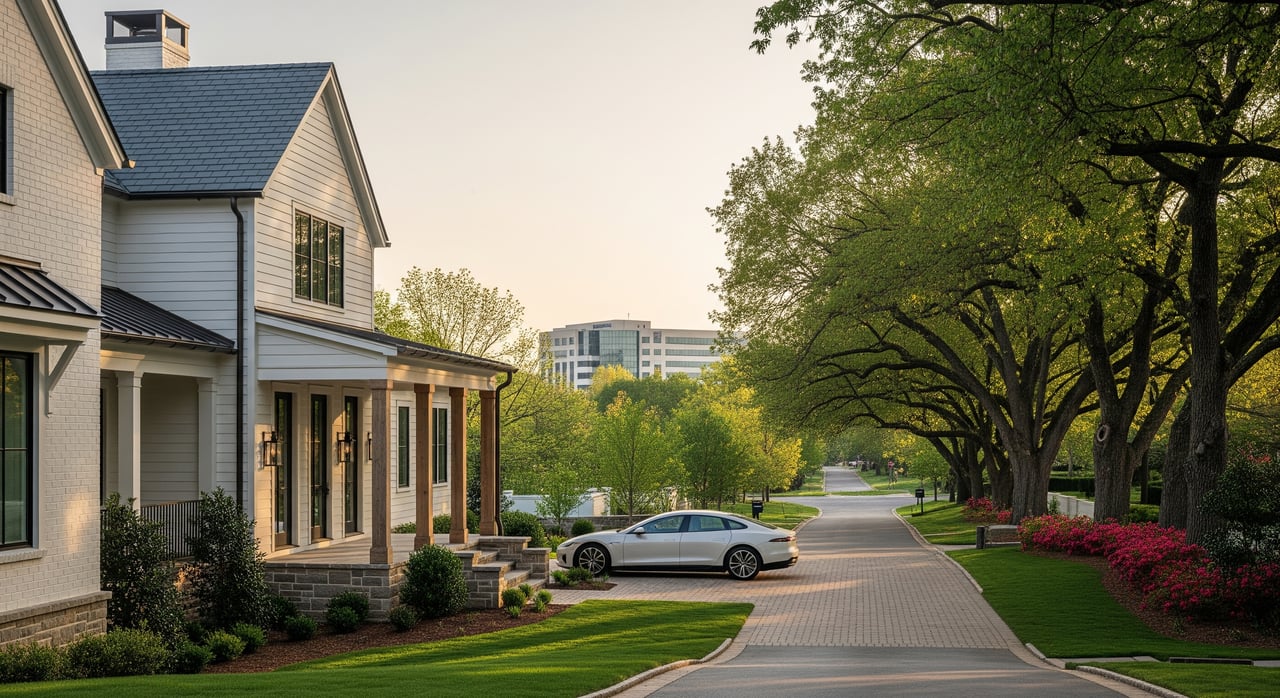
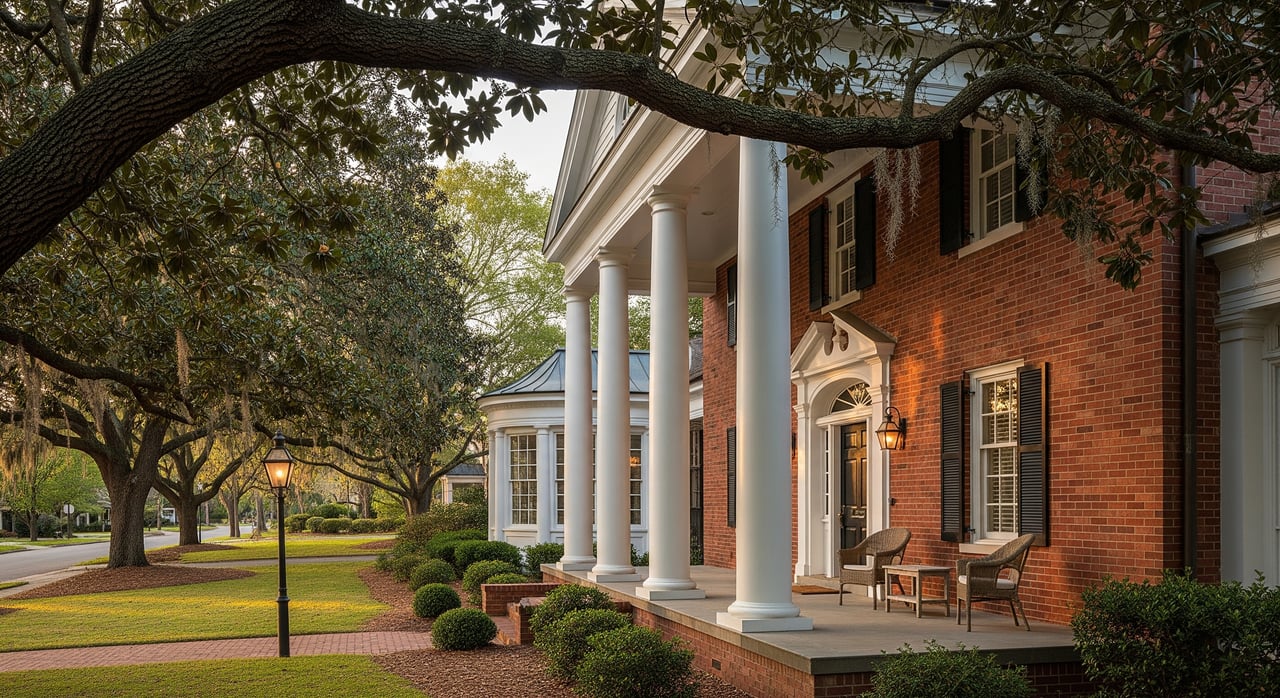
Many subdivisions feature neighborhood pools, playgrounds, and walking paths managed by HOAs. Homes often include garages, yards suitable for play or gardening, and open-plan living areas. Closer to downtown, you’ll see older architectural styles, mature trees, and smaller lot sizes with easier access to local shops and restaurants.
Finding a starter home
If you’re budget-focused, consider townhomes or smaller single-family homes in established areas. Inventory changes from month to month, and some buyers widen their search radius to compare value. An experienced local agent can help you sort through options, including virtual showings if you are relocating.
A day in the life
Weekday mornings often start with school drop-off, then a commute toward Raleigh or a nearby employment center. Coffee and errands are easy to handle between downtown and neighborhood shopping centers. In the evenings, neighborhood parks and community paths see steady use from walkers, runners, and families out with dogs.
Weekends tend to revolve around parks, youth sports, and local events. Many residents stop by the farmers market, grab lunch downtown, or take a short drive to nearby outdoor recreation areas. The overall rhythm is family-oriented and community-centered, with plenty of low-key things to do close to home.
Schools and family resources
Wake Forest is served by the Wake County Public School System, one of the largest districts in the state. You’ll find neighborhood elementary, middle, and high schools in and around town. School quality varies by specific school, and many families consider school assignments when choosing a neighborhood. It’s a good idea to review official district resources and school report cards as you narrow your search.
There are also private and faith-based options in the area, and Southeastern Baptist Theological Seminary adds a notable local institutional presence. For day-to-day family needs, you’ll find playgrounds, community pools, youth sports leagues, and library programming within the town’s recreation system.
Parks and the outdoors
Wake Forest invests in parks, greenways, and neighborhood spaces that make it easy to get outside. E. Carroll Joyner Park is a well-known favorite for walking paths, open fields, and community events. Around town, you’ll find greenway segments and smaller parks tucked into many neighborhoods.
For bigger adventures, residents often head to Falls Lake State Recreation Area and the Neuse River corridor. These nearby destinations offer boating, fishing, hiking, and mountain biking within a short drive. Organized recreation is active too, from youth leagues to community classes and summer camps.
Dining, arts, and community events
Downtown Wake Forest brings the small-town charm to life with local retailers, coffee shops, and independent restaurants. The scale is smaller than Raleigh, but it’s lively for a town this size. Expect seasonal festivals, concerts in the park, holiday parades, and a farmers market that bring neighbors together.
Beyond downtown, you’ll find a mix of regional and national retail in shopping centers. This balance lets you enjoy a local, independent scene while keeping daily errands efficient. The arts community includes local groups and small festivals that add color to the calendar.
Commute and getting around
Most residents drive to work. Typical off-peak drive times to downtown Raleigh often range from about 20 to 35 minutes, though peak-hour traffic can run longer. Routes commonly include US-1 and NC-98, and timing depends on your starting point and the day’s congestion.
Public transit options are more limited in Wake Forest than in Raleigh. Some regional bus and park-and-ride services operate, but many commutes remain car-dependent. Walkability is strongest in the downtown area and select neighborhoods, while most errands in suburban areas require a car.
Jobs and essential services
Local employment spans retail, education, healthcare, municipal services, construction, and professional services. Many residents commute to Raleigh, Research Triangle Park, and large regional healthcare systems. Wake Forest itself is not the region’s employment hub, but the town’s growth supports a steady small-business environment.
Healthcare access includes primary care and urgent care clinics in town, with major hospitals within a short drive. For public safety updates and data, you can review local police department reports. Town government and planning resources keep residents updated on parks, greenways, and development.
Pros and considerations
Every place has trade-offs. Here’s a simple way to think about Wake Forest.
- Pros: A historic, small-town downtown with active community events. Extensive parks and greenways. Family-oriented amenities. Proximity to Raleigh and broader Triangle jobs.
- Considerations: Car-dependent living for most households. Peak-time traffic on main routes. Ongoing growth that can add construction and school capacity conversations. Fewer late-night, urban-scale amenities than you’ll find in Raleigh.
Who thrives here
Wake Forest works well if you want a neighborhood lifestyle with yards, nearby parks, and accessible community programs. It especially suits families and professionals who like a quieter home base with an easy drive to larger employment centers. If you need frequent late-night urban nightlife or a car-free commute, this may feel like a stretch.
How to explore like a local
Use this checklist to test how Wake Forest fits your routine:
- Sample your commute at the times you’d travel most.
- Walk the historic downtown and grab coffee to feel the pace.
- Visit E. Carroll Joyner Park and a nearby greenway.
- Plan a quick outing to Falls Lake for outdoor time.
- Attend a weekend event or farmers market to meet locals.
- Review school assignment maps and official report cards if schools are a priority.
- Tour homes and neighborhoods at different times of day.
- Compare HOA amenities, lot sizes, and home age to match your lifestyle.
- If you’re relocating, schedule virtual walkthroughs and video previews to narrow your list efficiently.
Ready to make a move?
If Wake Forest sounds like your kind of place, you don’t have to figure it out alone. As a local, family-focused REALTOR with team resources and virtual-showing capability, I’ll help you zero in on neighborhoods, tour efficiently, and move forward with confidence. Reach out to Carmelina Hall to get personalized guidance today. Let’s connect. Get a free home valuation or buyer consultation.
FAQs
Cost of living in Wake Forest
- Home prices generally trend above the North Carolina state average, with wide variation by neighborhood, home age, and lot size. The market can be competitive, so compare options and timing with a local advisor.
Commute time from Wake Forest to Raleigh
- Many residents drive, with typical off-peak drive times to downtown Raleigh around 20 to 35 minutes and longer at rush hour depending on route and traffic.
Public schools in Wake Forest
- Wake Forest is served by the Wake County Public School System; school quality varies by campus, and many families consider assignments when choosing a neighborhood. Review official district resources and report cards for specifics.
Walkability in Wake Forest neighborhoods
- Walkability is strongest around the historic downtown and select nearby areas, while most errands in suburban neighborhoods require a car.
Outdoor recreation options near Wake Forest
- Locals enjoy E. Carroll Joyner Park for everyday walks and events, plus nearby Falls Lake and the Neuse River corridor for boating, fishing, hiking, and biking.
New construction in Wake Forest
- Continued residential development adds new subdivisions and infill projects, expanding choices while also contributing to typical growth considerations like traffic and school capacity.