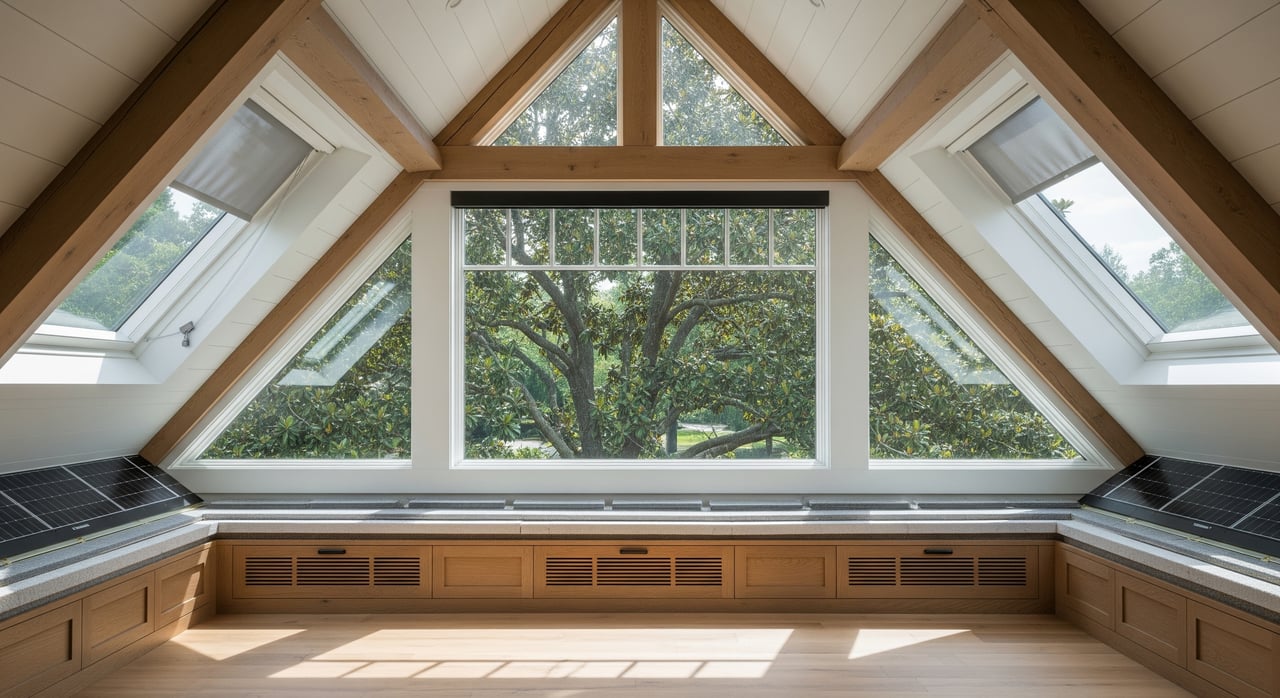
Does your Fuquay-Varina home feel hot by midafternoon, no matter how low you set the thermostat? You are not imagining it. Our summers bring average July highs near 90°F, with humidity that pushes the heat index even higher. In this guide, you will learn how smarter windows and a better-performing attic can keep rooms cooler, reduce strain on your AC, and stretch your energy dollars. Let’s dive in.
Why Fuquay-Varina homes overheat in summer
Fuquay-Varina sits in a hot, humid part of central North Carolina where summer heat is persistent. Local climate normals for the RDU area show July highs around 90°F, and the humidity makes it feel warmer for longer.
Windows and attics drive much of that heat load. East and west windows capture intense morning and afternoon sun. The roof absorbs solar energy, heating the attic and then your ceilings. If your ducts run through an unconditioned attic, they can pick up extra heat before air ever reaches your rooms.
Pick windows that block heat
Target specs for central NC
For Wake County, ENERGY STAR’s South-Central zone is your guide. Aim for whole-window ratings of U-factor at or below 0.28 and SHGC at or below 0.23 to cut summer heat without sacrificing winter comfort. You can verify criteria on the ENERGY STAR window page.
Replace vs. retrofit
If your windows are single-pane, leaky, or failing, replacement with modern low-e double or triple pane units offers the biggest long-term gains. See the Department of Energy’s guidance on selecting efficient windows.
Not ready to replace? Retrofit options cost less and can still lower heat. Consider solar-control window film, exterior solar screens, or interior cellular shades. DOE’s overview of energy-efficient window coverings shows how these treatments reduce solar gain.
Shade by orientation
Treat east and west sides first, since those get the strongest low-angle sun. Exterior shading stops heat before it enters the glass, so use awnings or solar screens where possible. For south windows, fixed overhangs sized for summer sun can work well. The DOE window selection guide explains why exterior shade is more effective than interior-only options.
Film and treatments that work
High-quality, spectrally selective films can drop SHGC while keeping daylight. Cellular shades add insulation and help during peak sun. Before adding film to double-pane glass, confirm warranty terms with the window manufacturer. See DOE’s notes on window coverings and films.
Use tax credits wisely
The federal Energy Efficient Home Improvement Credit can cover 30 percent of qualifying costs, with a combined $600 annual cap for exterior windows and skylights. Always save product certificates and consult a tax professional. Review the IRS details for the Energy Efficient Home Improvement Credit.
Make your attic do more
Seal first, then insulate
Start by sealing attic air leaks at top plates, wire penetrations, and the attic hatch. Air sealing keeps conditioned air where you want it and lowers moisture movement. ENERGY STAR’s DIY guide shows the steps for sealing attic air leaks.
How much insulation to add
In much of NC, bringing attic insulation up to about R-38 meets common local practice and aligns with current utility rebates. Duke Energy’s attic upgrade program is designed to bring attics to at least that level. Check the current requirements on the Duke Energy attic insulation upgrade page. For long-term efficiency, recent energy codes and DOE guidance point to higher targets, often R-49 to R-60, when budget and scope allow.
Ducts in the attic
Leaky or underinsulated ducts add heat to your air before it reaches registers. A pressure test, sealing with mastic, and insulating supply runs to around R-8 can make a noticeable comfort difference. See the building science checklist for duct sealing and insulation.
Venting and radiant barriers
A balanced vented attic with soffit intake and ridge exhaust works well when paired with good air sealing at the ceiling. Mechanical attic fans can pull conditioned air from your home if the envelope is leaky. Radiant barriers can help in hot climates, especially when ducts are in the attic, though savings vary by house and existing insulation.
Local rebates that help
Duke Energy’s Home Energy Improvement program offers instant rebates for attic insulation and duct testing and repair. You must complete a Duke Home Energy Check within 24 months and use approved contractors. Find current offerings on the Duke Energy Home Energy Improvement page.
Your step-by-step plan
- Book a whole-home energy check. Duke’s Home Energy Check identifies your top opportunities and is required for many instant rebates.
- Tackle the attic first. Seal gaps, weatherstrip the hatch, then top off insulation to at least R-38. Go higher if you can.
- Test and fix ducts. Seal leaks, then insulate accessible attic runs to reduce heat pickup.
- Target hot windows next. Start with west and east exposures. Use exterior shade, solar film, or cellular shades, then plan replacements as needed.
- Capture incentives. Keep receipts and manufacturer certificates for windows and insulation. Review federal credit rules and your utility’s rebate steps.
Permits and code notes
North Carolina has been transitioning to updated state building codes. Some jurisdictions continued using the 2018 code during the 2024 to 2025 period. Before replacing windows or altering attic structures, confirm current permit requirements with the Town of Fuquay-Varina or Wake County. The Office of State Fire Marshal posted an update on the 2024 code implementation timeline.
Make heat-smart updates part of your move
Whether you are prepping to sell or settling into a new home, a cooler, quieter interior is a real quality-of-life upgrade. Selective window improvements and a well-sealed, well-insulated attic can make rooms more comfortable and help your home show at its best. If you want a local perspective on which updates matter most in today’s Triangle market, reach out. I am here to help you plan the smart moves that fit your timeline and budget.
Ready to talk next steps for your home in Fuquay-Varina or nearby? Connect with Carmelina Hall for a friendly, local plan to keep your home cool and market-ready.
FAQs
Are new windows worth it for cooling in Fuquay-Varina?
- Often, the attic gives you faster comfort gains and savings. Pair attic air sealing and insulation with selective window upgrades on the hottest east and west exposures for the best results.
What insulation level should I target in Wake County?
- Bring your attic to at least R-38 to meet common rebate thresholds, and consider R-49 to R-60 when budget and scope allow for long-term efficiency.
Will window film void my window warranty?
- Possibly. Some manufacturers exclude films on certain double-pane units. Check your window warranty and use a professional installer.
How do Duke Energy rebates work for attic and ducts?
- Complete a Home Energy Check, use approved contractors, and submit required documentation. Many rebates are instant at the time of installation.
Do attic fans help cool the house?
- Not usually. If the ceiling is not well sealed, powered attic fans can draw conditioned air from your home. Balanced passive ventilation with good air sealing is typically a better approach.