Trying to decide between a townhome and a detached house in Wake Forest? You are not alone. Many buyers weigh price, privacy, and maintenance before choosing a path. In this guide, you will see the real cost differences, how HOA rules work in North Carolina, and what to expect for lifestyle and resale in Wake Forest. Let’s dive in.
Wake Forest market at a glance
Home prices in Wake Forest vary depending on the data source and time window. Redfin’s January 2026 snapshot shows a median sale price around $455,000. Zillow’s typical home value (ZHVI) in late January 2026 is about $504,000, while Realtor.com reported a median around $540,000 for December 2025. The spread is normal since each portal measures value differently, so always note the source and date and double-check live comps before you write an offer. You can review the current market snapshot on Redfin’s Wake Forest housing market page.
Wake Forest’s growth supports demand for both townhomes and single-family homes. Town estimates and Census QuickFacts place the population in the mid-to-upper 50,000s in 2024, and development continues near parks, greenways, and a walkable historic downtown. These amenities, plus proximity to Raleigh and the Research Triangle, make attached options appealing to many buyers.
Upfront price and financing
Entry prices to expect
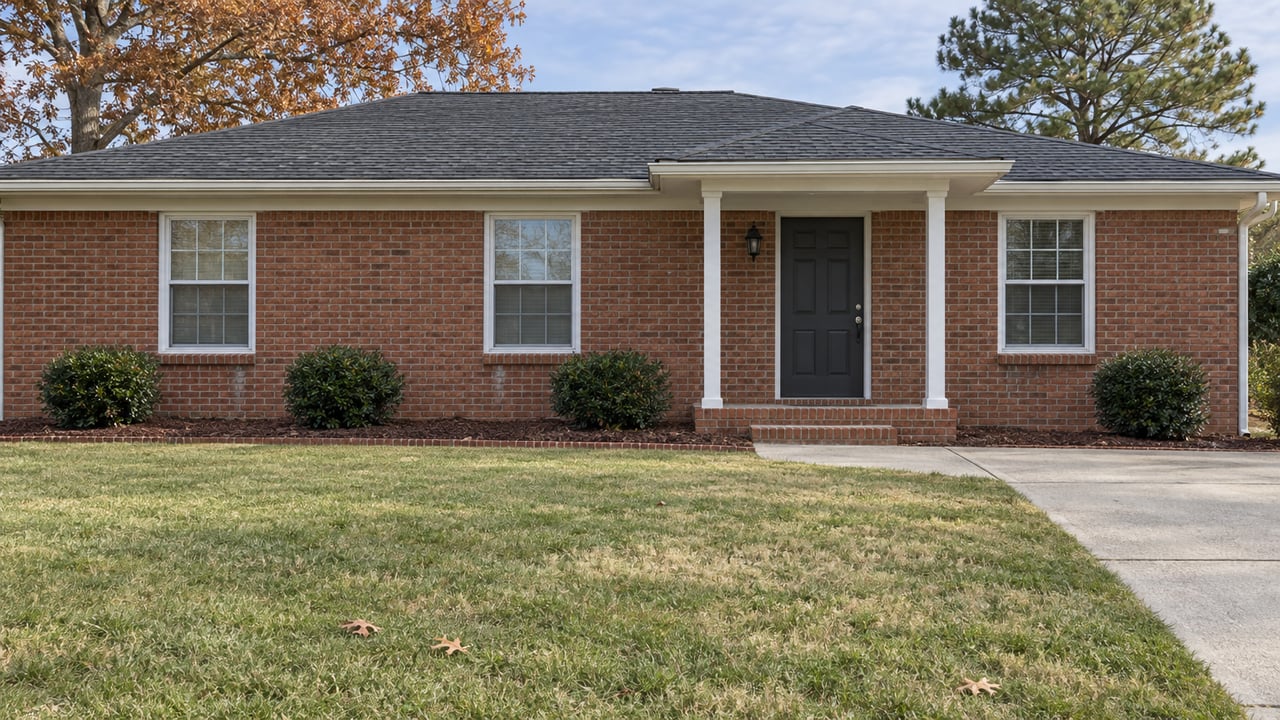
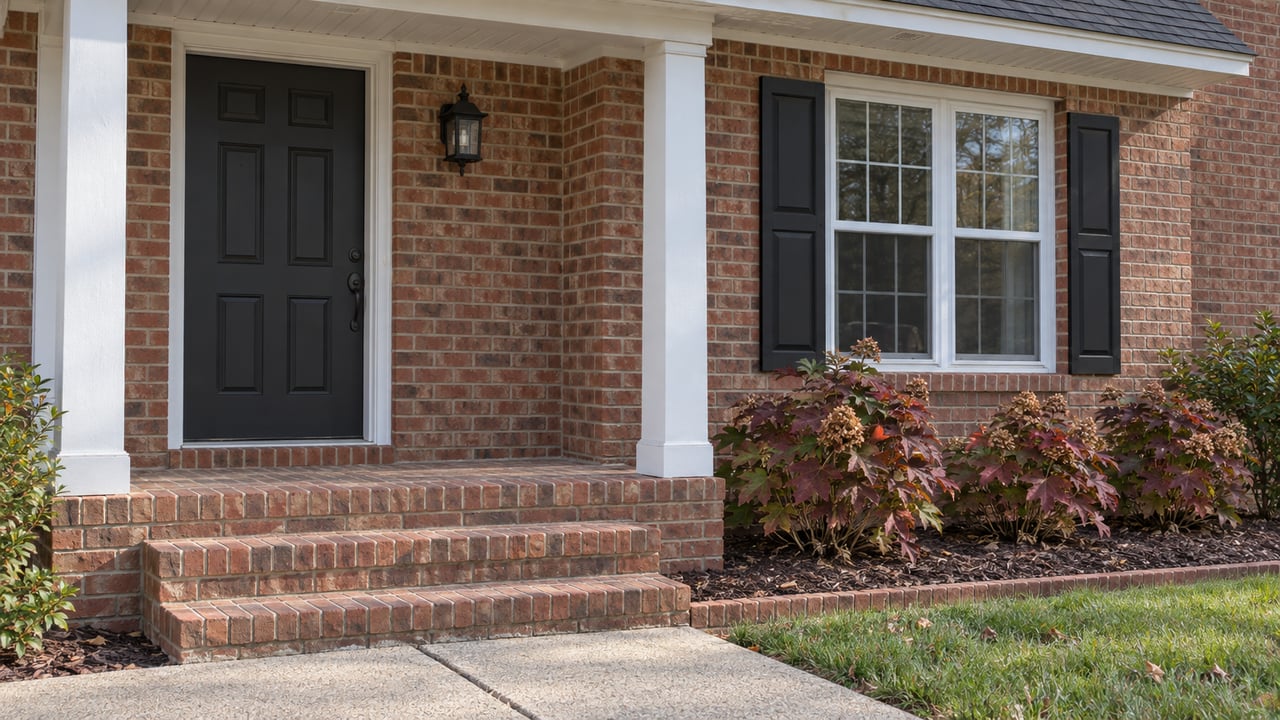
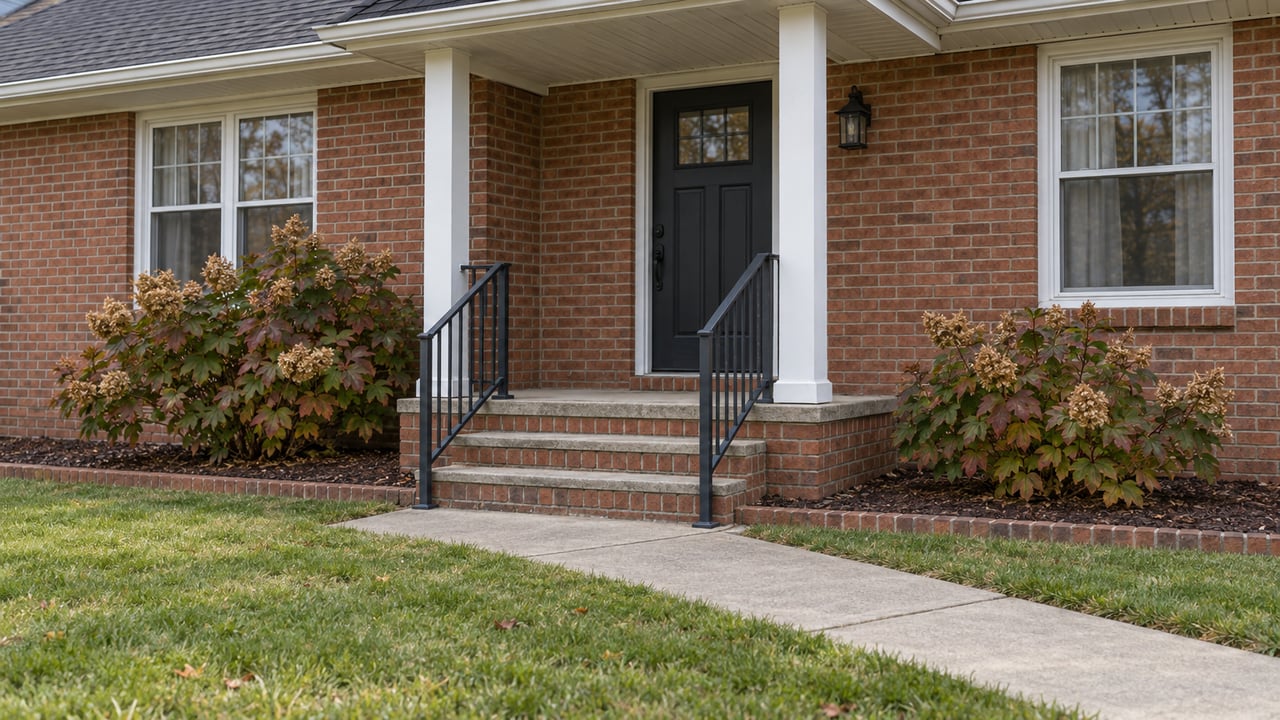
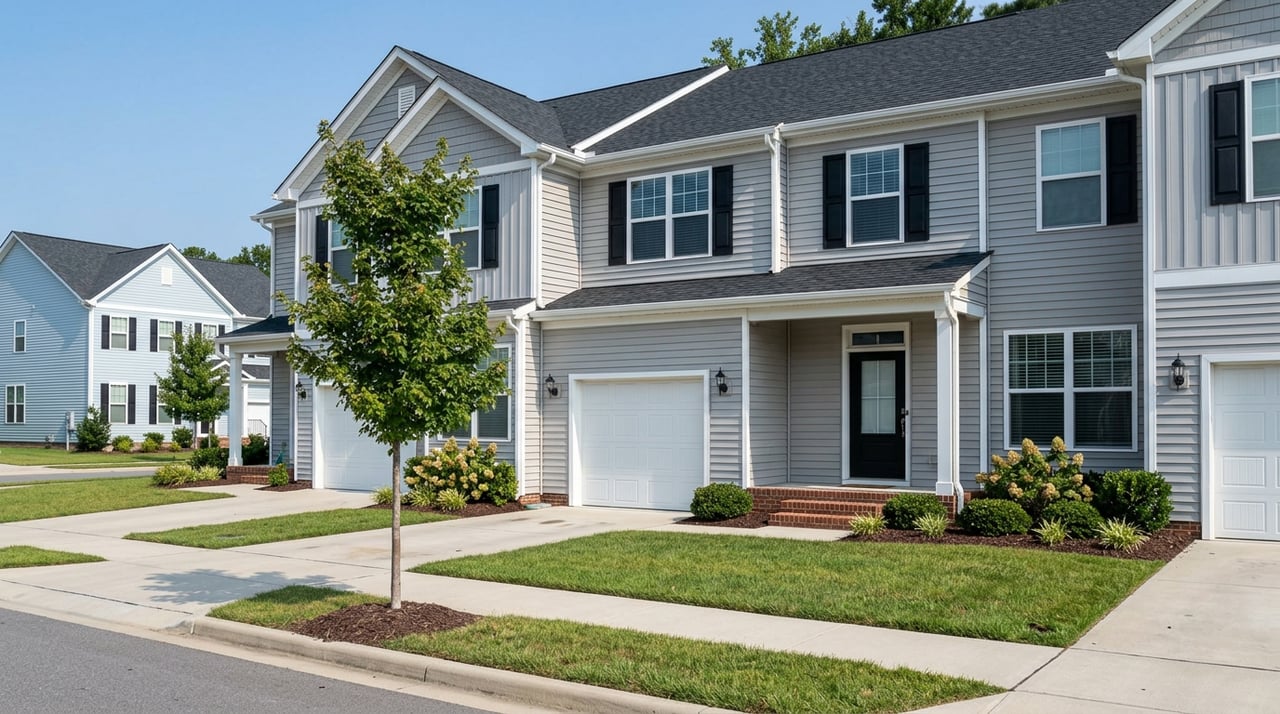
In Wake Forest, townhomes often offer the lowest priced path to ownership. Recent new-construction and near-new townhomes have been marketed in the low-to-mid $300,000s. For example, Enclave at Traditions townhomes have appeared in that range, with a sample listing at 524 Traditions Grande Blvd showing the product type and amenities as of early 2026. Detached single-family homes tend to land higher, broadly in the mid $400,000s to $500,000s depending on the neighborhood and features.
Financing and down-payment help
If you are a first-time or value-focused buyer, consider the NC Home Advantage Mortgage and the NC 1st Home Advantage Down Payment options. These programs can offer down-payment assistance for eligible buyers, which can materially improve affordability for townhomes and houses. Review income, credit, and sales-price limits and talk to a participating lender through the NCHFA program page to confirm eligibility.
Monthly costs: HOA, maintenance, insurance, taxes
HOA fees and maintenance
Townhomes usually include an HOA that covers exterior maintenance, common areas, and shared amenities. Fees vary by community. Recent Wake Forest examples show a range from about $135 per month to the high $200s per month. For instance, a downtown-area townhome at 152 N White St #200 shows a monthly HOA around $135 as of early 2026, while Traditions-area townhomes like 524 Traditions Grande Blvd illustrate fees in the $200s. In a single-family home, you take on exterior upkeep yourself, which reduces or removes HOA dues but increases your time and maintenance budget.
When you compare options, look at the full picture: mortgage, HOA (if any), property taxes, homeowner’s insurance, utilities, and a monthly maintenance reserve. A good habit is to set aside a small monthly amount for future repairs even if the HOA covers exteriors.
Insurance: HO-6 vs HO-3
Insurance needs differ by property type. Townhome owners often carry an HO-6 policy that covers the unit interior, while the HOA carries a master policy for the structure and common areas. Single-family homes typically require an HO-3 policy that covers the entire dwelling and lot. Always request the HOA’s master policy and insurance certificate to confirm if it is “walls-in” or “bare-walls,” and make sure your agent writes the right coverage for any gaps. For a clear primer on these differences, review this HO-6 vs. HO-3 guide.
Property taxes: where to verify
Property taxes affect your monthly payment just as much as insurance and HOA dues. Wake County reassesses periodically, and assessed values can shift. Rather than rely on a single citywide rate, look up the specific parcel on the county portal and apply the current tax rate to estimate the annual bill. For background on local reappraisals, see this overview from the Wake Forest Gazette. Your lender can plug your parcel’s data into your total monthly estimate during pre-approval.
Space, privacy, and daily life
Privacy and noise
Townhomes share at least one wall. You may hear more neighbor activity and have less control over exterior changes. If you choose a townhome, consider an end unit for more natural light and fewer shared walls, and ask your inspector about party wall construction, soundproofing, and garage placement. Detached homes provide full separation, which tends to offer greater privacy and control over your outdoor space.
Yard and outdoor living
If you want a private yard for gardening, play space, or larger pets, a single-family home will likely fit you better. If you prefer low exterior upkeep and a “lock-and-leave” lifestyle for travel or busy schedules, a townhome can keep your weekends free. Both options exist across Wake Forest, so it often comes down to how you spend your time outside.
Amenities, community, and resale outlook
Community amenities
Townhome communities in Wake Forest often include shared amenities like pools, clubhouses, trails, and pocket parks. The Traditions area is a good local example with townhomes placed near these features. If you value amenities and walkability inside your neighborhood, a townhome can deliver lifestyle features at a lower price point than a detached home in the same area.
Resale and appreciation factors
Over long periods, many markets see land value drive appreciation, which can help detached homes. That said, local demand, neighborhood amenities, school assignments, and the quality of the product all matter. To compare resale potential, use neighborhood-level comps by property type rather than a single city median. Redfin’s live market page is a good starting point for trend lines, but ask for a CMA that separates townhomes from single-family homes on the same street for an apples-to-apples view.
HOA governance in North Carolina
North Carolina’s Planned Community Act (Chapter 47F) and Condominium Act (Chapter 47C) set rules for HOA powers, records, budgets, and owner rights. Recent session laws added transparency requirements and pre-litigation mediation for many disputes. In practical terms, you should expect clear access to records and a formal process if issues arise. For a plain-English look at recent changes, review this legislative summary on owner access and mediation provisions and this reference on association document access.
During due diligence, request these items before you waive any contingencies:
- Governing documents: declaration, bylaws, rules.
- Current budget, reserve study, and recent meeting minutes.
- Master insurance policy and certificate of insurance.
- Disclosure of any special assessments, litigation, or major capital projects.
A simple decision framework
1) Budget funnel
- Start with your maximum comfortable monthly payment.
- Subtract estimated taxes, insurance, and if applicable, HOA dues.
- Set aside a monthly maintenance reserve (smaller for most townhomes, larger for single-family).
- The result points to a target purchase price band. If you are eligible, layer in the NC Home Advantage Mortgage or NC 1st Home Advantage Down Payment to improve cash-to-close.
2) Lifestyle checklist
- Do you want private yard space and more exterior control? Single-family likely fits.
- Is low exterior upkeep your top priority? Townhome fits.
- Will you want to add on or remodel the exterior later? Single-family is usually simpler.
- Are pool, clubhouse, and trails important to you? Townhome communities can deliver these at lower cost.
3) Risk and due diligence
- Always request the HOA packet and the insurance master policy.
- Ask for disclosures on pending special assessments, litigation, and capital projects.
- Compare neighborhood comps by property type, not just by ZIP code.
4) Sample monthly comparison template
Use this simple template with your lender’s numbers:
- Mortgage principal and interest: lender estimate for purchase price and down payment.
- Property taxes: parcel-specific estimate from county lookup, divided by 12.
- Homeowner’s insurance: HO-6 for townhome plus any loss assessment coverage, or HO-3 for single-family.
- HOA dues: monthly amount from the listing or HOA.
- Maintenance reserve: set an amount that fits the property type and age.
Add the lines to compare a target townhome and a target single-family home side by side.
Local examples to compare
- Townhome entry point: Newer Wake Forest townhomes in areas like Traditions often list in the low-to-mid $300,000s. See the product style and amenities via this Traditions example.
- HOA fee range: An example with about $135 per month is shown at 152 N White St #200. Fees vary by community and can be higher when amenities increase.
- High-end single-family contrast: Hasentree’s neighborhood snapshot shows a median near $947,000, which illustrates Wake Forest’s wide price band. Explore the Hasentree overview to see how community features shape value.
School assignment and commute notes
Wake Forest is served by Wake County Public School System, with local high schools including Wake Forest High and Heritage High. School assignments can change, so always verify the exact school for a specific street through WCPSS before you decide. You can start with the Heritage High page and navigate to the district’s assignment lookup. Many buyers also choose Wake Forest for its road access to Raleigh and the broader Triangle job centers, which pairs suburban living with reasonable commutes.
The bottom line
- If keeping your monthly payment lower is the priority, start with townhomes. They often offer the best entry price in Wake Forest and can pair well with state down-payment assistance for qualified buyers.
- If privacy, outdoor space, and more control over the exterior rank highest for you, lean toward detached single-family homes and compare neighborhood-level comps.
- For either path, protect yourself with strong due diligence: review the HOA packet, verify insurance needs, confirm school assignments, and use property-type comps.
Ready to see how your numbers and lifestyle line up in Wake Forest? Reach out to Carmelina Hall for a friendly, local walkthrough of your options, on-demand virtual tours, and a custom game plan.
FAQs
What is the typical price gap between townhomes and houses in Wake Forest in 2026?
- Recent snapshots show townhomes commonly in the low-to-mid $300,000s, while single-family medians sit higher, roughly mid $400,000s to $500,000s depending on neighborhood and source.
How much are HOA fees for Wake Forest townhomes?
- Examples range from about $135 to the high $200s per month as of early 2026, depending on amenities and services included.
What insurance do I need for a townhome versus a single-family house?
- Townhomes typically use an HO-6 policy plus the HOA’s master policy, while single-family homes use an HO-3 policy that covers the full dwelling and lot.
How do I check school assignments for a specific Wake Forest address?
- Use the Wake County Public School System’s tools to confirm the assigned schools for the exact street, starting from the district’s school pages such as Heritage High.
What HOA documents should I review before buying a townhome in North Carolina?
- Request the declaration, bylaws, rules, current budget, reserve study, recent meeting minutes, master insurance policy, and disclosures on special assessments or litigation.