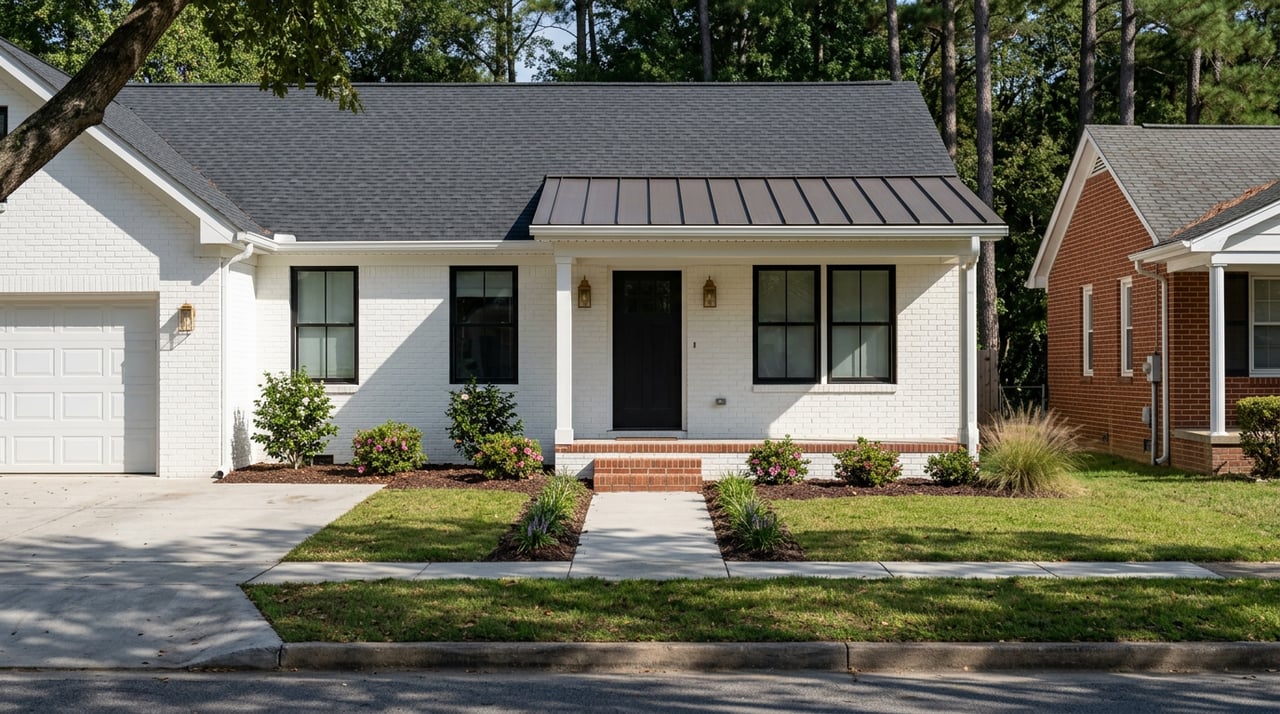
New construction or a classic Durham charmer? It is a good problem to have, but it can feel overwhelming when floor plans, timelines, warranties, and commute tradeoffs all compete for your attention. If you are weighing a shiny new build against an older resale home, you want a clear, local comparison you can trust. In this guide, you will learn how each option stacks up in Durham, what to expect from the process, and how to protect your budget and timeline. Let’s dive in.
Where new homes are in Durham
Growth in Durham is not one size fits all. Several large communities are moving forward along growth corridors, with publicized master plans near Brier Creek and South Alston that blend residential phases with future amenities. These edge or corridor locations often trade a longer commute for newer infrastructure and community features.
Closer to downtown and near campus areas, you will see more townhomes and mixed-use infill on larger redevelopment sites. In established neighborhoods like Trinity Park and Watts-Hillandale, “new construction” often means single-lot infill or teardown replacements rather than big subdivisions. Local coverage of neighborhood preservation and teardown discussions in Trinity Park shows how prized close-in lots can be.
Bottom line: Durham’s new homes show up in three main ways. You will find master-planned communities on the edges, denser townhome or mixed-use infill near activity centers, and one-off replacements inside historic neighborhoods. Each comes with different commute patterns, HOA rules, and price dynamics.
New vs. older: how they live
Layouts and size
New builds lean into today’s lifestyle. Many plans emphasize open kitchens, flexible work or study spaces, main-floor bedroom options, and easy indoor-outdoor flow. NAHB research on what buyers want helps explain why these features are common, and why many builders offer right-sized footprints with efficient layouts.
Older homes often offer architectural variety and unique period details. You might trade a perfectly open plan for a more defined layout, but gain character and sometimes a larger lot. If you prioritize charm or a street with an established look and feel, an older home may check more boxes.
Energy and comfort
New homes are built to the state energy code in effect at the time of permitting. In North Carolina, the state postponed implementation of the 2024 code, so the code that applies can depend on your lot’s permit date. Always ask the builder which code your home is being built under. New construction typically includes tighter building envelopes, modern HVAC, and better insulation than many older homes.
Rebates can also influence your choices. Programs supported by the Inflation Reduction Act and state or utility programs may apply to heat pumps, heat pump water heaters, or insulation upgrades. Ask which upgrades qualify or which incentives your builder passes through. For context, review state and utility electrification rebates in North Carolina, then confirm the current options for your address.
Lots and landscaping
Older neighborhoods often feature mature trees, irregular or larger lots, and a settled look that many buyers love. With age comes maintenance, so check grading, drainage, and vegetation near the home.
Newer subdivisions typically have younger landscaping and lots designed to meet modern water and drainage standards. Expect more uniform grading and predictable yard conditions, but it may take time for trees and curb appeal to mature.
Cost and value considerations
New construction pricing can look straightforward at first, but always compare the total cost. Factor in lot premiums, structural options, design upgrades, HOA fees, and the value of any rate buydown or closing help. Builders often offer incentives, which can be meaningful if you plan to stay long enough to benefit from lower payments.
Older homes can deliver location advantages and established neighborhood appeal. You might spend more on near-term updates or systems, so budget for inspection findings and improvements. Insurance and property tax impacts vary by home. Newer roofs and systems may help premiums, while new construction can see assessed values increase after completion. Confirm specifics with your insurer and the county assessor for the home you choose.
Timeline and process differences
Build timelines
A to-be-built single-family home often takes about 6 to 12 months from ground break to close, depending on plan, weather, materials, and labor. A finished or nearly finished spec home can close much faster. Recent projects have sometimes run longer than pre-2020 norms, so ask each builder about average completion times and on-time delivery rates. A recent survey of build times underscores how timing varies by region and product type.
Inspections and quality checks
Even brand-new homes benefit from independent eyes. Phased inspections are a smart safeguard: foundation and footing, pre-drywall framing and rough-ins, and a final inspection before closing. Many buyers also order an 11-month warranty inspection so any items can be addressed under the builder’s one-year workmanship coverage. Independent inspections give you leverage to request corrections before finishes hide small issues.
Warranties to expect
Builders commonly follow a typical 1-2-10 warranty model. That means one year for workmanship and materials, two years for distribution systems like plumbing, electrical, and HVAC, and up to ten years for major structural coverage. Ask whether the structural warranty is backed by an insurer, if it is transferable to a future owner, and how to file claims.
Financing and appraisals
If you are building from the ground up, you may use a construction-to-permanent loan with a single closing, or separate construction financing that converts to a permanent mortgage. FHA and VA also offer one-time-close options if you qualify. Spec homes that are move-in ready typically use standard purchase mortgages and standard appraisals. For to-be-built homes, lenders use as-completed appraisals and draw schedules tied to construction milestones.
Contracts and protections
Builder purchase agreements are written to favor the builder. Look closely at price escalation clauses, deposit terms, completion timelines, and dispute-resolution language. Courts have sometimes scrutinized one-sided arbitration clauses, but outcomes depend on state law and the exact wording. Protect yourself by having your buyer’s agent and, when appropriate, a local attorney review the contract before you sign.
How a local agent helps in Durham
- Register your representation on day one. Many builders require you to bring your agent to the first model-home visit. This protects your ability to receive full guidance and support throughout the process.
- Compare real options to model homes. Models often include paid upgrades. Your agent helps you calculate the true total cost and prioritize features that hold value at resale.
- Negotiate incentives with clarity. From rate buydowns to appliances, your agent ensures incentives are written into the contract and not just promised verbally.
- Coordinate inspections and punch lists. A proactive agent keeps inspections on schedule, documents items during the final walkthrough, and tracks warranty responses after closing.
- Give community and resale perspective. Your agent helps you weigh a specific plan, lot, and HOA against nearby resales so you understand likely demand and future value.
- Reduce disputes and delays. An experienced agent spots problematic clauses early, recommends fair remedies for delays, and helps you document any warranty claims.
Quick buyer checklist
- Ask which state energy code applies to your lot based on permit date, and get it in writing.
- Bring your buyer’s agent to the first model or community visit and register together.
- Request the full warranty booklet and confirm whether structural coverage is insurer-backed and transferable.
- Order phased independent inspections: foundation, pre-drywall, final, and an 11-month warranty check.
- Compare the base plan and included features to the model home’s upgrade list.
- List every incentive in the contract, including any requirement to use the builder’s lender or title company.
- Clarify completion timing, remedies for delays, and whether there are price escalation clauses.
- Verify HOA rules, fee schedules, and when amenities like pools or trails will be delivered.
- If building, speak early with a lender who offers construction-to-permanent or one-time-close programs.
- Save all punch-list and warranty communications in one folder for easy follow-up.
The bottom line for Durham buyers
If your top priority is a central location with mature neighborhood character and a settled streetscape, an older home in an established Durham area may be the better fit. If you prefer a modern layout, new systems, and the protection of a builder warranty, new construction in a growth corridor or a close-in infill site can be a smart choice. In either case, focus on the true total cost, the code and warranty details, and the practical timeline for your move.
Considering your next move in Durham or across the Triangle and want a plan tailored to your family and budget? I would love to help you compare communities, floor plans, and resale options side by side so you can move forward with confidence. Reach out to Carmelina Hall to get started.
FAQs
Is new construction cheaper than older homes in Durham?
- It depends on the community, lot, and incentives, so compare the full cost including upgrades, HOA fees, and any rate buydowns rather than just the base price.
How long does it take to build a new home in Durham?
- Many to-be-built homes take about 6 to 12 months, while finished spec homes can close faster, but timing varies by plan, weather, materials, and labor.
What inspections should I get on a new build?
- Order phased inspections at the foundation, pre-drywall, and final stages, and plan an 11-month warranty inspection to address items under the builder’s one-year coverage.
How do builder warranties work?
- Many builders use a 1-2-10 structure covering workmanship, systems, and structural elements; confirm what is included, who administers claims, and whether it is transferable.
Which energy code applies to my new Durham home?
- Ask the builder which code applies based on the permit date, since North Carolina’s 2024 code implementation was postponed and requirements can differ by timing.
Can I use my own lender if the builder offers incentives?
- Often yes, but some incentives require using the builder’s lender or title company, so weigh the tradeoffs with your agent and have all terms written into the contract.