Are you wondering whether a Durham townhome gives you the right mix of affordability, convenience, and low-maintenance living? If you are weighing a townhome against a detached house, you are not alone. For many buyers in Durham, the decision comes down to how you want to live day to day, not just what you want to pay. This guide will help you understand the Durham townhome tradeoffs, what to look for before you buy, and who this style of home tends to fit best. Let’s dive in.
What a Durham townhome means
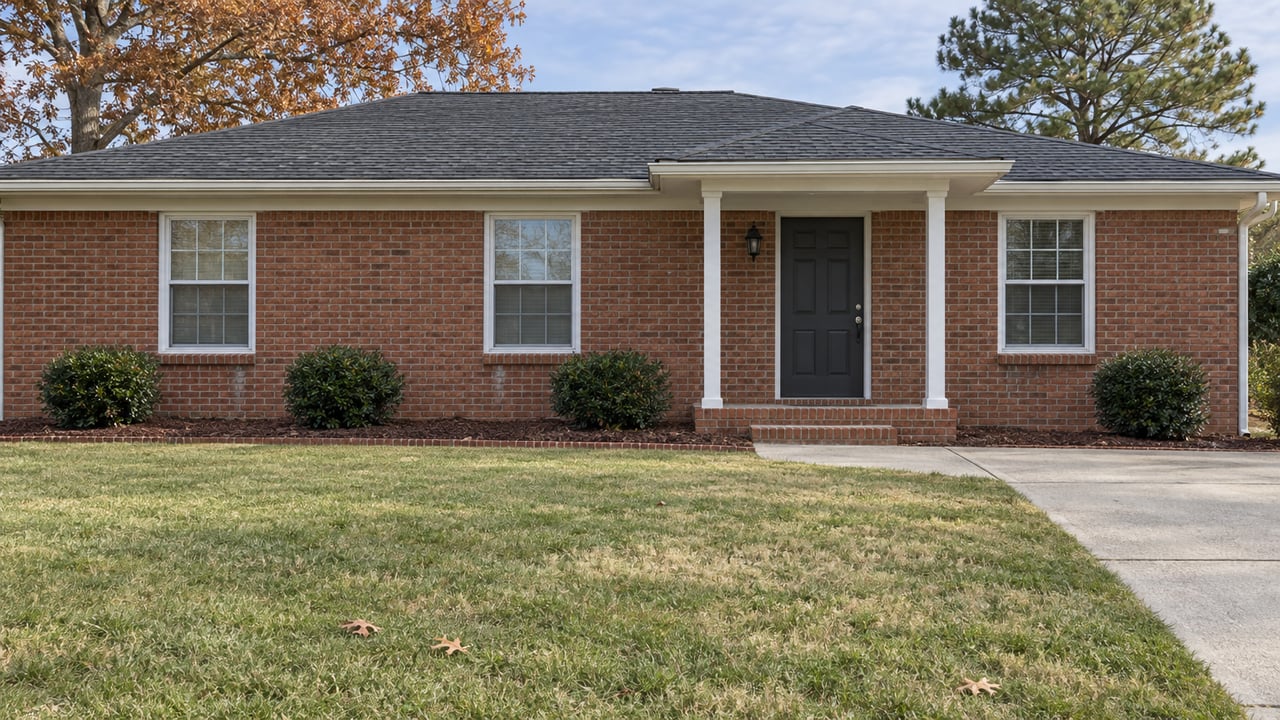
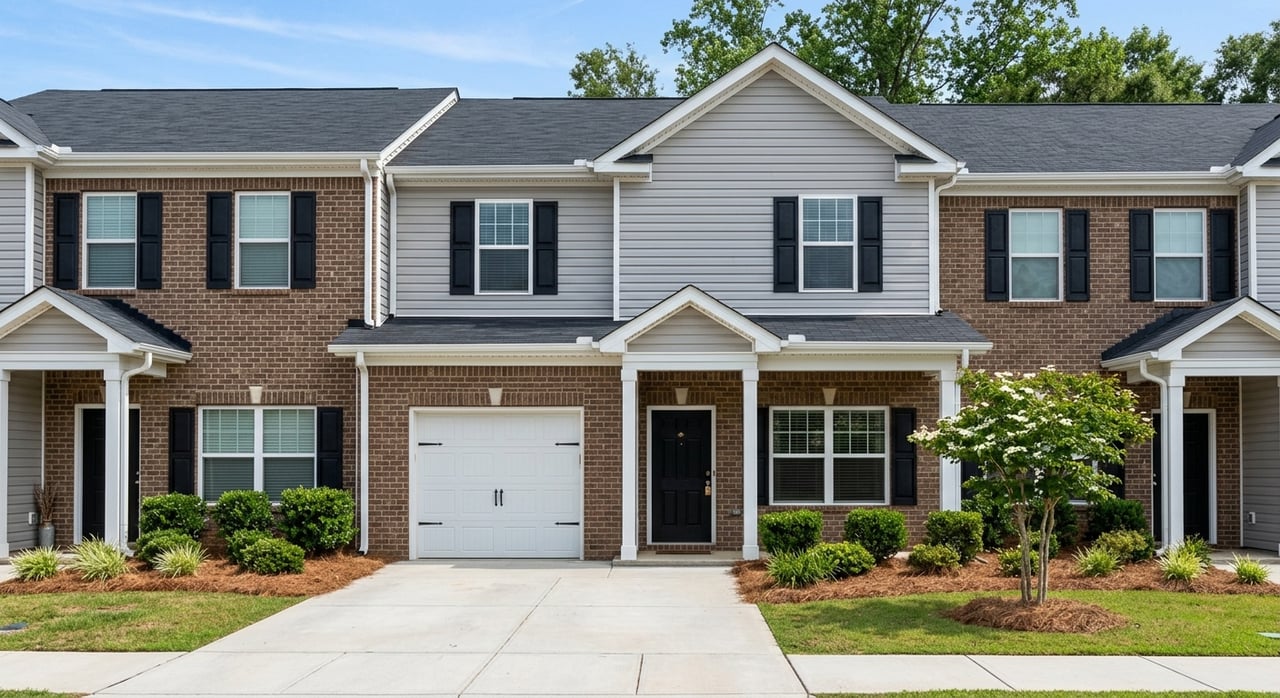
In Durham, a townhouse is defined as a building with three or more attached dwelling units, with each unit on an individual lot and sharing side walls with the homes next to it. By contrast, a single-family detached home sits on its own lot with yard space on all four sides. That simple difference shapes a lot of your experience as an owner.
If you are considering a townhome, you are usually choosing a more compact footprint with less private land. In return, you may get a more efficient layout, less exterior upkeep, and often a lower price point than many detached homes in the area. For many buyers, that trade feels worthwhile.
Durham also allows different townhouse site layouts. Some communities have front-facing driveways, while others use rear garages accessed by alleys. That means two townhome neighborhoods can look similar at first glance but feel very different once you consider parking, curb appeal, and how people move through the community.
Why townhomes attract Durham buyers
Townhomes often appeal to buyers who want to enter the Durham market without stretching into the price range of many detached homes. For the 12 months ending September 2025, the average sales price in Durham County was $472,400, while Durham townhouses had a median list price of $355,000 on June 29, 2026. Those numbers are not a direct apples-to-apples comparison, but they show why townhomes stay on the radar for value-conscious buyers.
Durham also had 434 townhouses for sale on that same date, which suggests buyers may have meaningful options to compare. If you are a first-time buyer, a relocating professional, or simply someone who values efficiency, townhomes can offer a practical path into homeownership.
That value is not just about price. It is also about the ownership model. Many buyers are happy to give up a larger yard if it means spending less time on upkeep and living closer to work, dining, events, or transit.
How townhome living fits daily life
A Durham townhome can be a strong match if your lifestyle is busy and convenience matters. Recent listings show that townhomes in Durham commonly range from about 1,057 to 2,697 square feet, with roughly 2 to 4 bedrooms. You may also find features like patios, decks, pools, cabanas, garages, and front parking for two cars.
That tells you something important. Townhomes here often focus on usable interior space and shared amenities rather than large private outdoor areas. If you prefer spending weekends out in Durham instead of maintaining a big yard, that can be a real advantage.
Durham’s development rules also support more compact, walkable patterns in many townhome areas. The city allows reduced setbacks in urban and compact neighborhoods, and mobility standards require sidewalks in suburban, urban, and compact areas. In practical terms, some townhome communities may feel more connected and walkable than detached-home subdivisions.
Commute and access matter in Durham
Location is one of the biggest reasons buyers consider townhomes in Durham. The city is connected by I-85, I-40, US 70, and 15-501, which helps with travel across Durham and the broader Triangle. That matters if your work or routine takes you to downtown Durham, Duke, Research Triangle Park, Southpoint, or nearby areas.
Transit also plays a real role. GoDurham currently operates 19 bus routes with service seven days a week, and Durham Station is being renovated to expand bus bays from 20 to 28. GoTriangle Route 700 connects Durham Station and the Regional Transit Center every 30 minutes, while Route 400 links Durham, Duke and Chapel Hill, and Route 800 links Southpoint and the RTC.
For some buyers, that level of connectivity makes townhome living even more appealing. If you want lower-maintenance ownership with easier access to job centers and daily destinations, a well-located townhome can check a lot of boxes.
Durham jobs support townhome demand
Durham’s employment base helps explain why townhomes remain popular. Duke’s operations employ more than 57,000 workers, and Research Triangle Park is home to more than 55,000 employees and more than 385 companies. Those are major job anchors that shape where and how people want to live.
If you are relocating to the Triangle or trying to shorten your drive, townhomes near major roads or transit routes may deserve a close look. They can offer a practical balance between location, price, and upkeep. That is especially true for busy professionals and buyers who want a simpler day-to-day routine.
HOA responsibilities can change everything
This is where many buyers need the clearest guidance. Not every Durham townhome community works the same way, even if the homes look similar from the outside. Some townhouse-style communities are structured as planned communities, while others are condominiums, and that difference affects what you own and what the association handles.
In a North Carolina planned community, the association is generally responsible for common elements, while each lot owner is generally responsible for maintaining the lot and improvements unless the declaration says otherwise. In a condominium, the association is responsible for common elements, while each unit owner is responsible for the unit itself. The building style alone does not tell you who handles what.
That is why you should never assume the HOA covers the same things from one community to the next. Exterior maintenance, roofs, landscaping, parking areas, and other responsibilities may vary based on the governing documents. Before you fall in love with a floor plan, make sure you understand the ownership structure.
What to review before you buy
The North Carolina Department of Justice advises buyers to review HOA bylaws and covenants before buying. It also recommends understanding how fees can change and knowing that exterior changes may require approval. Since no state or federal agency oversees HOAs, the community documents matter a great deal.
Before you move forward on a Durham townhome, ask for these items:
- HOA covenants
- HOA bylaws
- Fee schedule
- Rules for exterior changes
- Parking restrictions
- Leasing restrictions
You should also remember that HOA assessments may apply even if you do not use certain common facilities. A monthly fee is not just an extra bill. It is part of the ownership model and should be weighed alongside the purchase price and your monthly budget.
When a townhome is the right fit
A Durham townhome is often a good fit if you want a lower entry point than many detached homes and feel comfortable with HOA rules. It can also make sense if you value convenience, shorter commutes, and reduced exterior maintenance. For many buyers, that combination supports a simpler and more flexible lifestyle.
This option can be especially appealing if you are buying your first home, relocating for work, or trying to stay close to Durham’s major employers and activity centers. If your priority is efficient living rather than maximum yard space, a townhome may deserve to be at the top of your list.
Townhomes can also be a smart fit if you enjoy being close to what Durham offers. Downtown attractions like DPAC, which hosts more than 180 performances a year, and The Bullpen social district add to the appeal for buyers who want easy access to dining, events, and entertainment.
When a detached home may fit better
A detached home may be the better choice if privacy is high on your list. Since detached homes have yard space on all four sides, they often offer more separation from neighbors and more room for outdoor use. That can matter a lot depending on your lifestyle and preferences.
You may also prefer a detached home if you want more flexibility to make exterior changes without HOA review or if you simply want fewer shared-wall and community-rule considerations. For some buyers, that greater autonomy is worth paying more and taking on more maintenance.
There is no universal right answer here. The better fit depends on whether you would rather trade yard size and independence for convenience and lower upkeep.
A simple way to decide
If you are unsure, ask yourself a few practical questions:
- Do you want a lower-maintenance home?
- Are you comfortable living with shared walls?
- Would a smaller yard be a fair trade for convenience?
- Do HOA rules feel manageable to you?
- Is access to Durham, Duke, RTP, or transit a top priority?
- Would you rather spend your free time out in the city than maintaining a larger property?
If you answered yes to most of those, a Durham townhome may be a strong fit. If you answered no, a detached home may line up better with the way you want to live.
The key is to look beyond the price tag. The best home for you is the one that supports your routine, your budget, and your long-term comfort.
If you want help comparing Durham townhomes, reviewing community details, or narrowing down the right fit for your lifestyle, Carmelina Hall can guide you with responsive, local support tailored to the Triangle market.
FAQs
What is a townhome in Durham?
- In Durham, a townhouse is a building with three or more attached dwelling units, each on an individual lot and sharing side walls.
What should buyers review before buying a Durham townhome?
- You should review the HOA covenants, bylaws, fee schedule, exterior-change rules, and any parking or leasing restrictions before you buy.
Are Durham townhomes usually cheaper than detached homes?
- Townhomes can offer a lower entry point than many detached homes in Durham, with townhouses listed at a median price of $355,000 compared with a Durham County average sales price of $472,400 for the 12 months ending September 2025.
Do all Durham townhome HOAs cover the same things?
- No, responsibilities vary because some townhouse communities are planned communities and others are condominiums, so you need to confirm what the governing documents say.
Is a Durham townhome good for commuters?
- It can be, especially if you want access to major roads like I-40 and I-85 or transit options such as GoDurham and GoTriangle routes serving Durham, Duke, Southpoint, and the Regional Transit Center.
Who is a Durham townhome best for?
- A Durham townhome often fits buyers who want lower exterior maintenance, a more affordable entry point, and convenient access to jobs, transit, and city amenities.