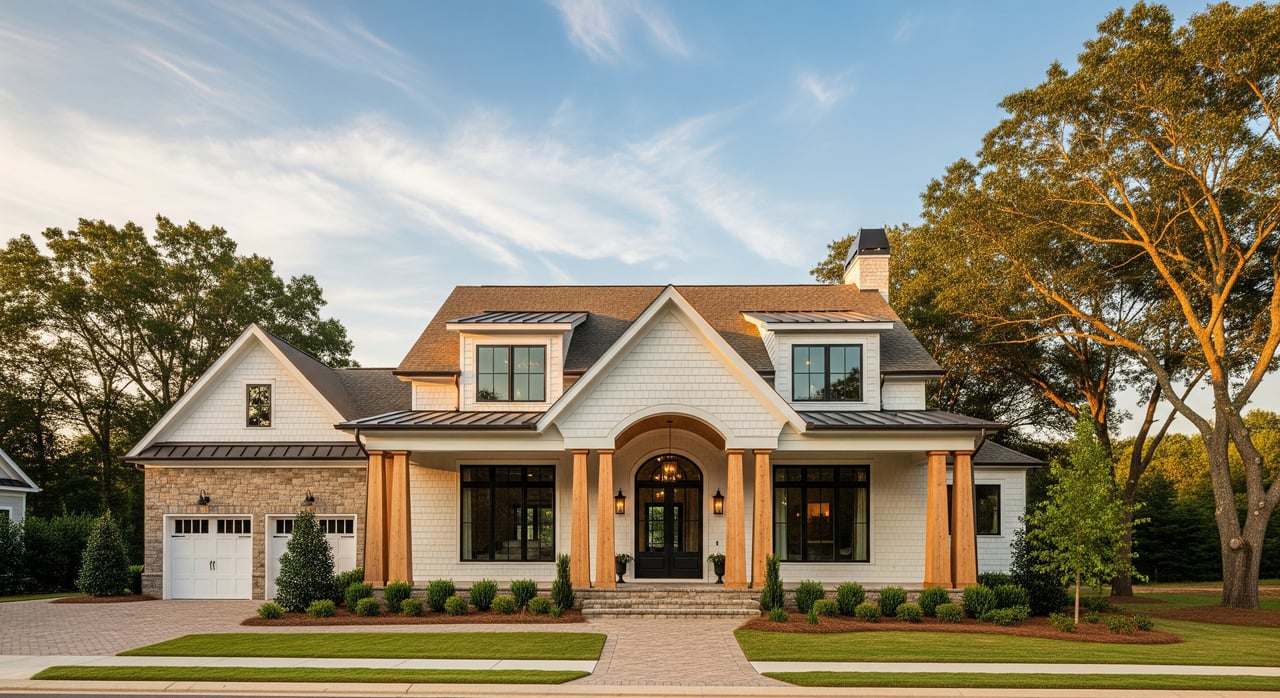
Thinking about a brand-new home in Fuquay‑Varina? With so many neighborhoods coming out of the ground, it’s easy to feel excited and a little overwhelmed. You want the right floor plan, the right lot, and the right deal, without missing key details like warranties, HOA rules, and future phases. This guide gives you a clear orientation to Fuquay‑Varina new construction so you can tour confidently, compare options, and protect your budget. Let’s dive in.
Why new construction in Fuquay‑Varina
Fuquay‑Varina sits in the fast‑growing Raleigh area, and new construction is a major source of inventory here. As neighborhoods expand and new phases open, you get more choices on floor plans, price points, and amenities.
You also benefit from today’s energy‑efficient designs, flexible work‑from‑home spaces, and smart‑home readiness. With multiple builders active at once, you can compare incentives, timelines, and quality. The key is knowing how to tour, what to ask, and how to document everything.
Where builds cluster and how to find them
You’ll see several project types across town:
- Master‑planned communities with pools, trails, and multi‑phase development.
- Smaller subdivision clusters or infill sections with a single builder.
- Limited walkable infill near the historic core.
- Edge or annexation projects on the town’s perimeter.
To map your search efficiently:
- Use new‑construction filters to spot active model homes.
- Check builder community pages and sales centers for hours and available plans.
- Review town planning updates, county building permits, and GIS maps to see where new phases are starting.
- Do a quick drive or virtual scan of model signs and neighborhood entries.
- Watch local business news for rezoning and large development announcements.
Pro tip for your “Fuquay route”: Start at the largest active sales center for a quick product overview, then work outward to nearby phases to compare lots, pricing, and views. End your tour near lifestyle anchors like downtown Fuquay‑Varina, parks, schools, and major commuting corridors to gauge daily convenience.
Amenity trends to watch
Today’s Fuquay‑Varina builds focus on flexible living and efficiency. You’ll often find:
- Flexible rooms or a dedicated office, plus upgraded kitchen layouts with larger islands.
- Smart‑home readiness for thermostats, security, and video doorbells.
- Energy‑efficient features such as improved insulation, efficient windows, and ENERGY STAR appliances.
- Storage solutions, larger garages, and mudrooms.
- Optional accessibility features like zero‑step entries or wider doors in select plans.
Community amenities commonly include walking and biking trails, playgrounds, dog parks, and pools. Fitness spaces and pickleball courts are increasingly popular. Some larger developments introduce small retail or “village” areas, while peripheral communities emphasize space, yards, and trail access. EV charger pre‑wiring is showing up more often, and a few communities add shared charging stations.
Always ask how stormwater features and common areas are maintained long term. Most neighborhoods use HOAs, and budgets should reflect realistic maintenance plans.
Incentives and pricing: how to compare
Builders often use incentives to meet the market. You might see closing cost help, mortgage rate buy‑downs, discounted upgrades, lot premium credits, or limited‑time price reductions on move‑in‑ready homes. Many incentives are tied to using a preferred lender or closing provider. Read everything carefully and confirm how incentives are credited and documented.
Key questions to ask during negotiations:
- Is the incentive tied to a preferred lender or title company? What are your alternatives?
- Is the incentive a closing credit, a paid upgrade, or a temporary rate buy‑down? How will it appear in the contract and on your closing disclosure?
- Are incentives better on spec homes versus to‑be‑built contracts? Are there time or phase limits?
- Will fees change if you use non‑preferred providers? How does that affect net savings?
Keep in mind that buyer agent registration can be time‑sensitive at some sales centers. If you’re working with an agent, make sure you register together early to protect representation and commission.
Warranties, inspections, and post‑closing service
Most builders offer a layered warranty structure. A common model is one year for workmanship and materials, longer coverage for systems like plumbing, electrical, and HVAC, and up to ten years for structural elements. These timelines vary by builder and warranty provider, so you should insist on full written warranty documents in your purchase contract.
Many builders use third‑party warranty companies for structural coverage. Ask about the provider’s claims process, what is covered or excluded, and whether the warranty transfers to a future owner.
Independent inspections are important even for new construction. Schedule pre‑drywall, post‑systems, and final inspections to verify quality beyond municipal code checks. At the final walk‑through, create a detailed punch list and confirm who will complete items after closing, with timelines and contacts.
Documents and confirmations to request:
- Full written warranty terms, provider contact, start and end dates, and exclusions.
- Copies of building permits, inspection approvals, and certificate of occupancy.
- A punch list document that names responsible parties and completion deadlines.
- Transferability terms for warranties and any fees to transfer.
- Proof of builder licensing and insurance per North Carolina requirements.
Create your in‑person tour plan
Use this sequence to get a complete picture in a single half‑day or full‑day outing:
Start at the main model or sales center. Collect the community plan, phase map, pricing sheet, HOA information, and a sample sales contract.
Tour a furnished model to gauge layout and finish quality, then walk a spec home or home under construction to see systems and framing.
Visit specific lots. Walk the lot lines, check sun exposure, slope, drainage, and nearby views or future phase edges.
Drive the surrounding area. Note buffers, proximity to schools and parks, and access to major routes like US‑401 and common Raleigh commute paths.
End at daily‑life anchors. Stop by downtown, grocery options, and recreation to see how the location will feel once you move in.
In‑person checklist
Lot and site:
- Lot orientation, slope, grading, and stormwater controls.
- Distance to retention ponds, utility pads, easements, and future phases.
- Tree preservation areas and required buffer strips.
Home construction and systems:
- HVAC location, efficiency ratings, and duct insulation.
- Water heater type and location; look for pressure protection where applicable.
- Insulation R‑values and window specifications; ask about any energy certifications.
- Roofing materials, flashing, gutters, and downspout routing.
- Garage floor slope and driveway grading.
Interior finishes and workmanship:
- Paint quality, trim joins, cabinet alignment, and tile grout lines.
- Smooth operation of doors and windows and intact weatherstripping.
Neighborhood and HOA:
- CC&Rs, fee schedule, and maintenance responsibilities for streets, ponds, and landscaping.
- Planned amenity timelines and funding for future phases.
Documentation:
- Sample sales contract, warranty documents, community master plan, plats and surveys, and recent permits.
Post‑closing service:
- Warranty service contacts, escalation process, and response timelines.
Virtual tour toolkit
If you’re relocating or on a tight schedule, request these items to tour from anywhere:
- Full walk‑through video of models and spec homes, plus floor plans with dimensions.
- Drone or lot‑level video showing boundaries, grade, and neighboring lots.
- Short video clips at different times of day to see sun and street activity.
- High‑resolution photos of mechanical areas like HVAC, attic, breaker panel, and under‑sink plumbing.
- Digital copies of HOA documents, plats, surveys, warranties, and sample contracts.
- A live video call walk‑through for real‑time Q&A.
Local checks that matter in Wake County
Permits and inspections: Town and county departments issue building permits and perform code inspections. Ask for copies of approvals for major stages and the final certificate of occupancy.
Utilities and infrastructure: Many new neighborhoods use municipal water and sewer, but verify per lot. Ask how stormwater systems are maintained and funded through the HOA.
Taxes and assessments: New homes can trigger updated property tax assessments. Ask about current assessed values and whether any special assessments or bonds apply to future amenities.
Schools and transportation: Confirm current school assignments with Wake County and be aware that future rezonings may change assignments. Check your peak‑hour commute times to Raleigh or RTP along major routes to make sure daily travel fits your routine.
Consumer protection: For disputes or concerns, know where to go. You can contact local code enforcement, county permitting, state consumer protection offices, and relevant North Carolina licensing boards for contractors.
Your next steps
New construction can be a great fit if you want modern design, energy savings, and less immediate maintenance. The best outcomes happen when you tour with a plan, compare incentives apples to apples, document warranties and inspections, and make sure the neighborhood’s future phases align with your long‑term goals.
If you want a guided, stress‑free process in Fuquay‑Varina, reach out for a buyer consultation. Whether you need an in‑person route map or a virtual walk‑through, you’ll get clear next steps, fast communication, and local insight tailored to your timeline.
Let’s connect for a friendly, focused new‑construction game plan that fits your life.
FAQs
What should I expect during a Fuquay‑Varina model home visit?
- Plan to collect a community map, phase releases, pricing, HOA info, and a sample contract, then tour a furnished model plus a home under construction to assess quality and systems.
How do builder incentives typically work in Wake County?
- Builders may offer rate buy‑downs, closing cost credits, or upgrades, often tied to preferred lenders or closing providers, and documented as credits or upgrades in your contract.
What warranties come with a new home purchase?
- Many builders provide one‑year workmanship coverage, longer system coverage, and up to ten‑year structural protection, but terms vary, so get the full written warranty and provider details.
Can I hire an independent inspector for new construction?
- Yes. Schedule pre‑drywall, post‑systems, and final inspections, then complete a punch list at walk‑through with written timelines for any items not finished before closing.
What should I review in the HOA documents?
- Confirm fees, maintenance responsibilities, amenity timelines, rules on landscaping and parking, and any special assessments or funding plans for future phases.
How do I plan a virtual tour if I’m relocating?
- Request walk‑through and drone videos, time‑of‑day clips, mechanical area photos, digital HOA and warranty documents, and a live video call for real‑time questions.