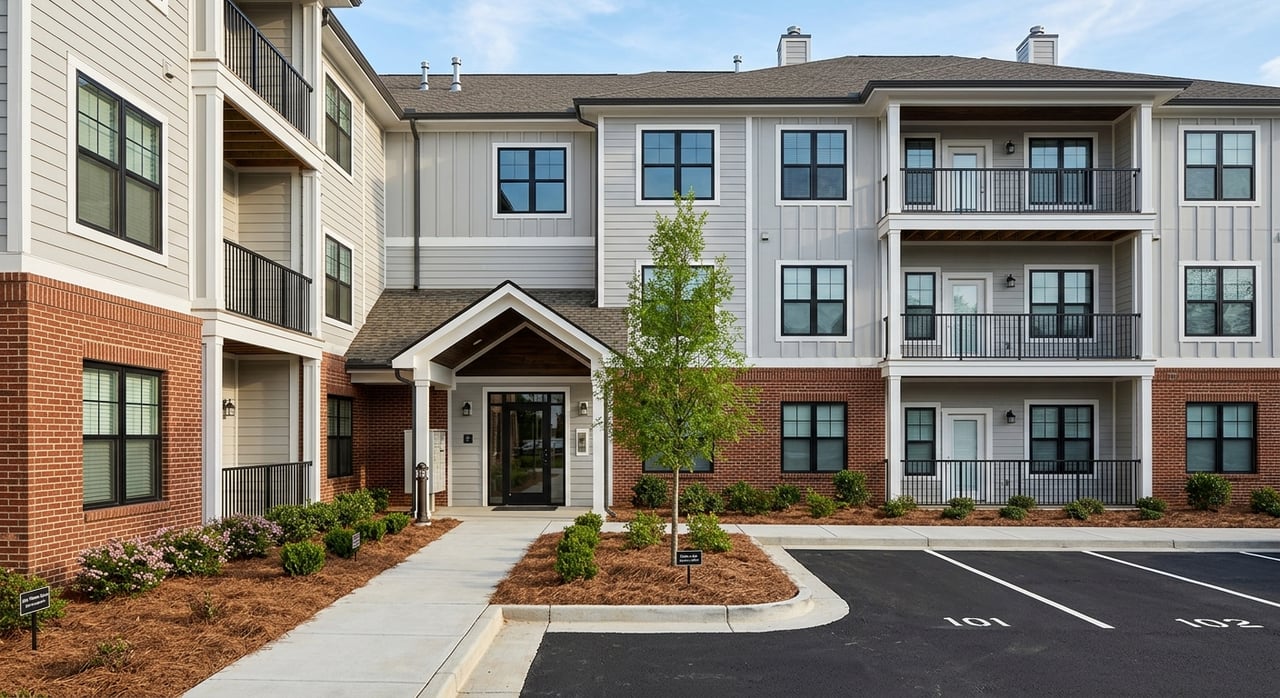
Ready to buy your first home in Raleigh, but not sure whether a condo or townhome makes more sense? You are not alone. For many first-time buyers, attached homes offer a more approachable price point than a detached house, but the details matter more than many people expect. This guide will help you understand how Raleigh townhomes and condos work, where they tend to be found, what they may cost, and what to ask before you make an offer. Let’s dive in.
Why Raleigh attached homes get attention
If you are trying to buy your first home in Raleigh, townhomes and condos are worth a close look. As of July 2026, Redfin shows 315 condos for sale in Raleigh at a median listing price of $318,000 and 668 townhouses for sale at a median listing price of $326,000.
That matters because Redfin also shows Raleigh’s citywide median sale price at about $425,000 over the last three months. While listing prices and sale prices are not the same thing, attached homes are currently priced below that citywide benchmark, which can make them appealing if you want to enter the market with a lower upfront cost.
Inventory also matters when you are shopping. Right now, townhomes appear to be more widely available than condos in Raleigh, which may give you more options if you want flexibility on layout, location, or move-in timing.
Condos vs townhomes in Raleigh
At first glance, a condo and a townhome can look similar. You might see shared walls, compact lots, and community features in both. But under North Carolina law and Raleigh development rules, the more important difference is ownership structure, not just the exterior style.
What a condo usually means
Under North Carolina law, a condominium is a form of real estate where part of the property is separately owned and the rest is commonly owned by the unit owners. In many condo communities, your unit includes the interior spaces and fixtures, while items like exterior doors, windows, porches, decks, and balconies may be treated as limited common elements.
That setup affects maintenance and decision-making. Condo associations are responsible for maintaining common elements, collecting assessments for common expenses, and unpaid assessments can become a lien on the unit.
What a townhome usually means
Raleigh defines a townhouse as a building with two or more dwelling units that are horizontally connected and separated by a party wall. Townhomes may sit on individual lots, or multiple townhouse building types may be placed on a single lot.
In many planned communities, the association owns or leases the common elements, while individual owners are generally responsible for their own lot and improvements. The association then maintains the shared areas and charges owners for those costs.
Why the legal setup matters
This is the part many first-time buyers miss. Two homes can look nearly identical from the street, but the recorded declaration and plat determine what you actually own and what the association controls.
That affects your monthly costs, your maintenance responsibilities, your insurance needs, and even how lenders review the property. When you compare options, you want to look past the word “townhome” or “condo” in the listing and focus on the actual ownership documents.
Where Raleigh condos and townhomes tend to be
Attached homes are not spread evenly across Raleigh. City planning documents show that denser housing types are often concentrated in downtown, mixed-use areas, transit-influenced corridors, and growth centers rather than across every residential area.
Raleigh’s Urban Form Map emphasizes places like Downtown, City Growth Centers, Transit Oriented Districts, Mixed-Use Centers, Main Streets, and Transit Emphasis Corridors. The city also notes that mixed-use districts are designed to support a variety of housing options, including more intense residential development.
That planning pattern helps explain why attached homes tend to show up where you may expect more walkability, a more connected street network, or a more compact development style. It also helps explain why some townhome communities feel suburban while others feel more urban.
Areas with current attached-home activity
Current search data lines up with that city planning framework. Redfin search results show strong attached-home activity in areas such as:
- Brier Creek
- North Hills
- Downtown Raleigh
- North Raleigh
That does not mean those are the only places to look. It does mean these areas are good starting points if you want to compare style, price, and location across multiple attached-home options.
What first-time buyers should budget for
The purchase price is only part of the story. With condos and many townhomes, you also need to account for recurring association dues and the possibility of future assessments.
North Carolina associations can assess owners for common expenses, maintenance, repairs, damage, fines, and late charges. In some cases, unpaid assessments can become liens, and condo associations can foreclose those liens in certain situations.
That is why monthly dues should never be treated as a side note. They are part of your real housing cost, just like your mortgage, taxes, and insurance.
What dues may cover
What is included varies by community. Depending on the project, dues may help pay for:
- Maintenance of common areas
- Exterior repairs in certain ownership structures
- Shared amenities
- Common insurance obligations
- Landscaping or other community upkeep
The key is that coverage is not standardized across all Raleigh condos and townhomes. You need to review the specific community documents and budget, not assume one project works like another.
Parking and amenities can vary a lot
If you are picturing a standard setup for every Raleigh townhome or condo, it helps to reset that expectation. Parking, storage, outdoor space, and amenities can differ widely from one community to the next.
Raleigh’s parking rules allow flexibility depending on frontage and building type. For example, townhouse building types have no vehicle parking maximum, while some frontage conditions limit how many parking bays can sit between the building and the street, and some prohibit front parking placement entirely.
That is one reason communities can look and function very differently. Some may offer more visible surface parking, while others may prioritize a different streetscape or layout.
Current Raleigh condo listings also show a wide range of features, including:
- Community pools
- Bike parking
- Private decks
- End-unit layouts
Amenities can be helpful, but they also connect back to cost. If a feature matters to you, ask how it is maintained and whether the current dues appear to support it.
Financing can be trickier for condos
If you are using financing, especially as a first-time buyer, this is one of the most important areas to check early. Condo financing can be more complicated than financing a detached house.
HUD says FHA will insure condo loans for units in FHA-approved projects, or in projects that meet Single-Unit Approval requirements. Fannie Mae and Freddie Mac also use condo project review and eligibility standards.
That means your loan approval is not only about your income, credit, and down payment. The project itself may also need to meet lender requirements.
Why this matters before you offer
Before you get emotionally attached to a specific condo, confirm whether the community is likely to work with your financing plan. If you are hoping to use FHA, conventional, or VA financing, ask early about project eligibility and lender review.
This simple step can save you time, stress, and money. It can also help you avoid making an offer on a property that may create financing delays.
Smart questions to ask on a tour
A good tour is not just about finishes and floor plans. It is your chance to understand how the property functions day to day and what your future obligations may be.
Here are smart questions to ask when you tour a Raleigh condo or townhome:
- What do the dues cover?
- How are exterior repairs handled?
- Are there any upcoming assessments or reserve issues?
- Which parking spaces are assigned?
- What is the lender approval status?
These questions matter because associations control common elements, can assess owners for shared costs, and in condos must insure common elements while owners may separately insure their own unit.
The real tradeoff for first-time buyers
For many first-time buyers, the appeal of a condo or townhome is clear. You may get a lower entry price than a detached home, and you may have less individual exterior upkeep to manage.
But the tradeoff is just as important. You are also taking on recurring association fees, shared maintenance decisions, and community rules.
That does not make attached housing better or worse. It simply means the right choice depends on how you want to live, what you want to spend each month, and how comfortable you are with shared-property structures.
How to shop with confidence in Raleigh
If you are comparing Raleigh condos and townhomes for your first purchase, focus on the full picture instead of the sticker price alone. A smart decision usually comes down to four things:
- The true ownership structure
- The monthly and potential future costs
- The community rules and maintenance responsibilities
- The fit between the location and your daily routine
This is where local guidance can make a big difference. When you have someone helping you compare documents, ask the right questions, and narrow your options based on your goals, the process becomes much easier to manage.
If you want patient, practical guidance as you explore your first home in Raleigh, Carmelina Hall can help you sort through townhome and condo options with clear communication and local insight.
FAQs
What is the difference between a Raleigh condo and a Raleigh townhome?
- A Raleigh condo is typically defined by shared ownership of common elements with separate ownership of the unit, while a Raleigh townhome is a building type with attached units separated by party walls, and the recorded ownership documents determine what you actually own and maintain.
Are Raleigh townhomes cheaper than single-family homes?
- As of July 2026, Redfin shows Raleigh townhouses at a median listing price of $326,000, which is below the citywide median sale price of about $425,000, though listing prices and sale prices are different measures.
Are Raleigh condos a good option for first-time buyers?
- Raleigh condos can be a useful option for first-time buyers because they may offer a lower entry price, but you should also review association dues, maintenance responsibilities, and financing requirements before deciding.
Where are condos and townhomes common in Raleigh?
- Current search data shows notable attached-home activity in Brier Creek, North Hills, Downtown Raleigh, and North Raleigh, which aligns with city planning patterns that support denser housing in mixed-use and transit-influenced areas.
What should first-time buyers ask about Raleigh HOA or condo dues?
- You should ask what the dues cover, whether there are any upcoming assessments or reserve concerns, how exterior repairs are handled, and how those costs fit into your monthly budget.
Can financing a Raleigh condo be harder than financing a house?
- Yes, condo financing can be more complicated because the project itself may need to meet lender or program eligibility standards in addition to your personal loan qualifications.