Thinking about moving to Wake Forest without being able to spend weekends driving every street first? You are not alone. Many buyers relocating to the Triangle want a clear picture of commute options, housing styles, and the buying process before they pack a single box. This guide will help you understand what Wake Forest offers, what you can research from afar, and how to make a smart move with fewer surprises. Let’s dive in.
Why Wake Forest draws relocating buyers
Wake Forest has grown quickly from a small rural town into a busy suburban community in northern Wake County. The U.S. Census Bureau’s 2024 estimate puts the population at 56,764, which helps explain why so many out-of-town buyers have it on their radar.
If you are looking for a place with a strong homeownership base, Wake Forest stands out. Census QuickFacts reports a 74.0% owner-occupied housing rate, a median owner-occupied home value of $474,500, and a median gross rent of $1,596. Those numbers suggest a market where both buyers and renters can find options, with a heavy tilt toward ownership.
Wake Forest also works well for a digital-first relocation process. Census data shows 97.8% of households have a broadband subscription and 98.3% have a computer, which supports virtual tours, online research, and remote document review.
Commutes from Wake Forest
If you are moving for work, commute planning is usually one of the first questions to answer. Wake Forest offers access to several major employment areas across the Triangle, with driving still being the main option for many residents.
According to the Wake Forest Snapshot, approximate drive times are:
- Downtown Raleigh: 35 minutes via US 1
- Research Triangle Park: 30 minutes via I-540
- Durham: 20 minutes via NC-98
- Chapel Hill: 40 minutes via I-540
- RDU Airport: about 25 miles
These routes connect you to a region with major public, private, academic, and healthcare employers. The Greater Raleigh Chamber lists employers such as the State of North Carolina, Wake County Government, WakeMed, UNC Rex, NC State, Duke/Duke Health, IBM, SAS, Cisco, IQVIA, Fidelity, Lenovo, Red Hat, and Pfizer. RTP also includes hundreds of companies across science, technology, government, academia, startups, and nonprofits.
Local transit options to know
If you do not want to rely only on driving, Wake Forest has several local and regional transportation options. The town says Go Wake Forest is an on-demand microtransit service within town limits and part of Wakefield.
WRX provides hourly all-day express bus service with stops in Downtown Wake Forest, Triangle Town Center, and Downtown Raleigh. Downtown commuter parking is available as well. Wake Forest also lists GoWake Access and MicroLink, and long-range planning places the town along the S-Line for future passenger and commuter rail possibilities.
What homes look like in Wake Forest
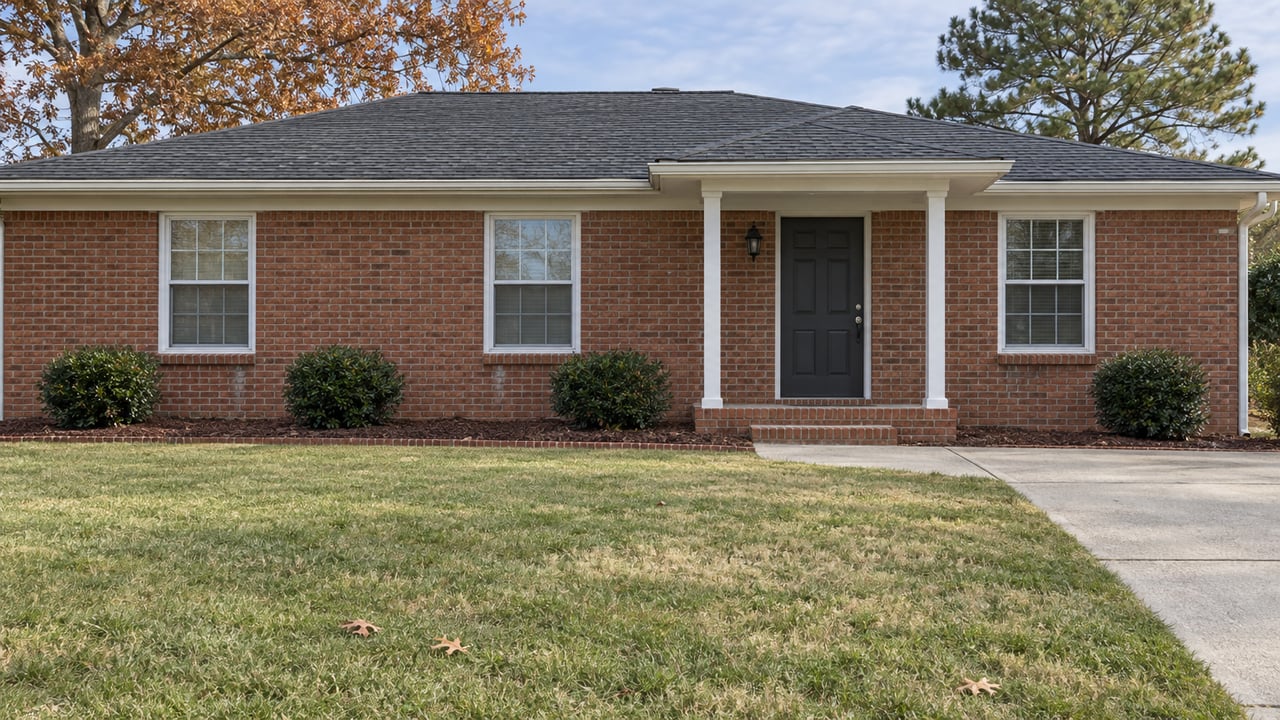
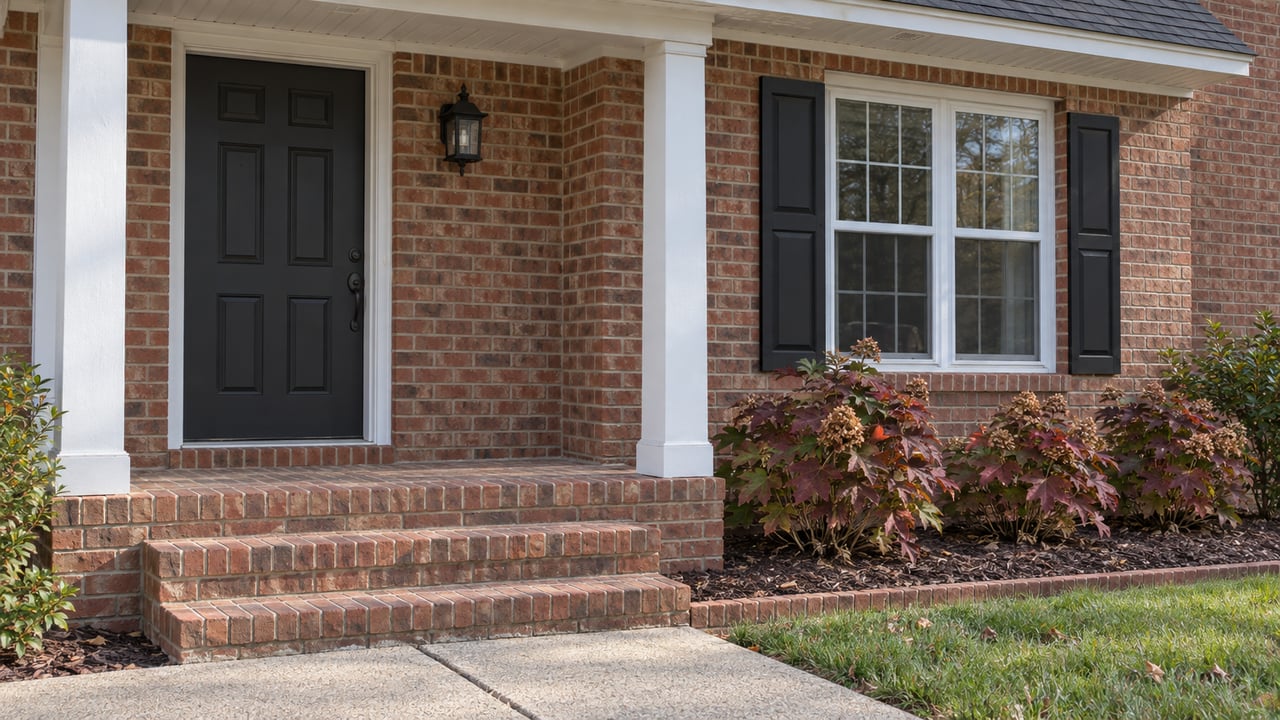
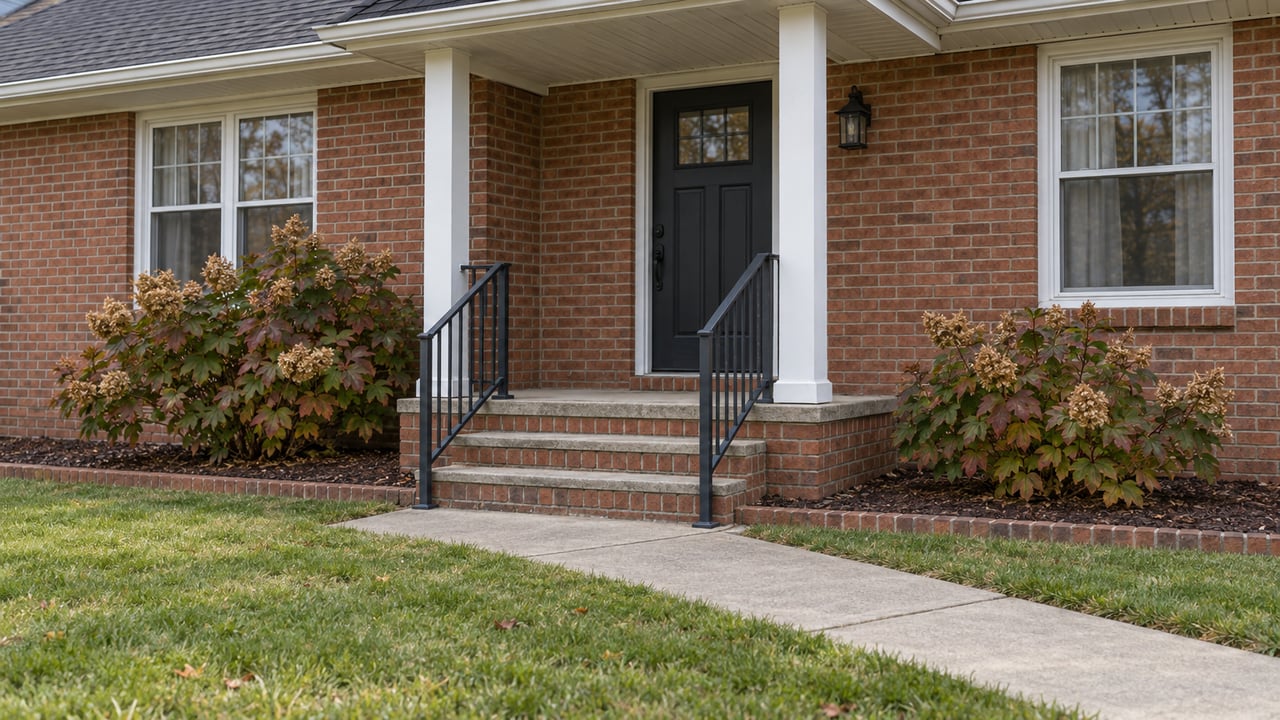
One of the most useful things to understand before relocating is that Wake Forest is not one single housing type. You will see a blend of older historic areas, established single-family neighborhoods, and newer developments with more attached housing.
The town’s planning materials note that residential development can include single-family homes, duplexes, triplexes, townhomes, condominiums, and apartments. At the same time, Wake Forest’s housing affordability plan says the market has primarily catered to households looking for single-family homes, with a smaller share of multifamily housing than Wake County overall.
Historic areas and older homes
Wake Forest says it has four historic districts. On North Main Street, the local historic district includes examples of American architectural styles from 1820 to 1956, which gives that area a very different feel from newer suburban sections.
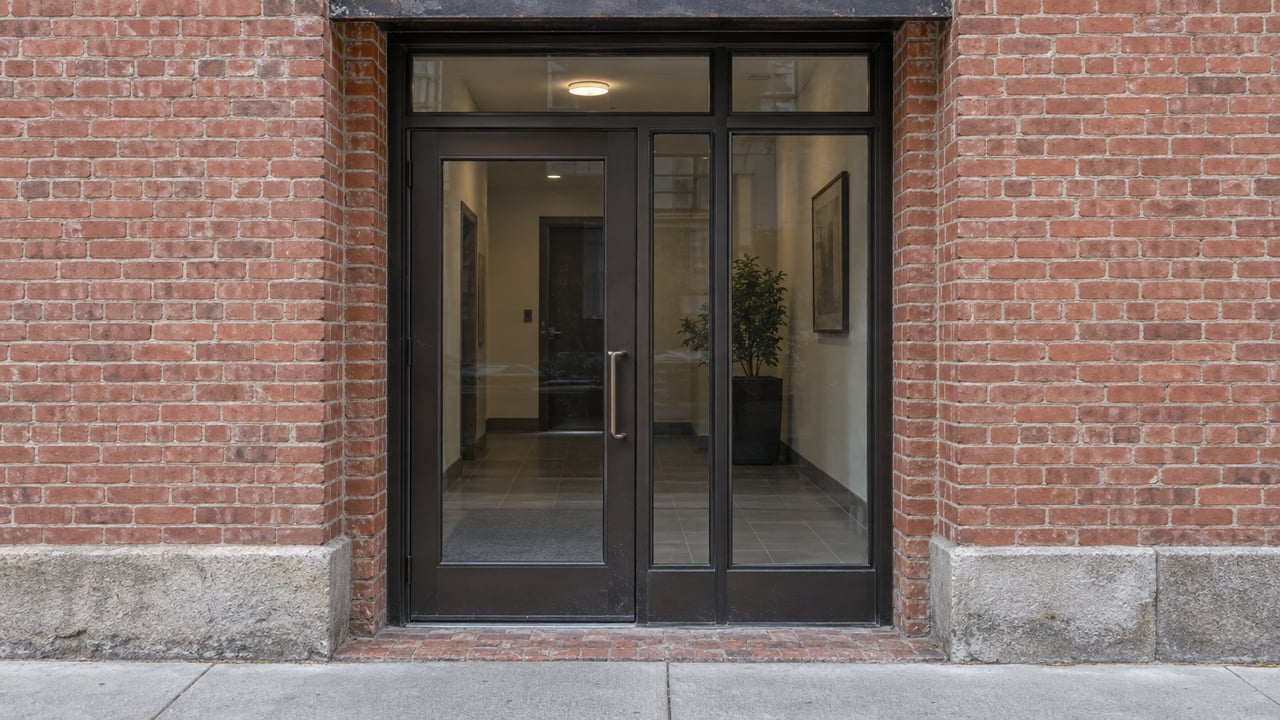
The Glen Royall Mill Village Historic District retains much of its original housing stock and is known for a pyramidal-roofed, four-room house form. The Downtown Historic District is largely made up of brick buildings dating from 1890 to 1949.
If you are drawn to older homes, mature streetscapes, or a more established setting, these areas are worth learning about early. They can offer a very different look and feel than newer subdivisions.
Newer neighborhoods and attached housing
Outside the historic core, many relocating buyers will find the suburban side of Wake Forest more familiar. This includes established single-family subdivisions and newer areas with townhomes, condominiums, and other attached-housing options.
That mix can be helpful if you are comparing space needs, maintenance preferences, or price points. If you want a detached home with a yard, Wake Forest has many options. If you prefer something lower maintenance, newer attached housing may also be part of your search.
What you can research online first
Before you book a scouting trip, you can learn a lot from Wake Forest’s own planning tools. The town’s Maps, Plans & Ordinances page is one of the best starting points because it brings together many of the resources relocating buyers need in one place.
You can review:
- Development Map
- Historic Property Map
- Greenways Map
- Active Developments Map
- Zoning Map
- Community Plan
- Transportation Plan
- Housing Affordability Plan
- Downtown Plan
- Public Transit Plan
- Historic Preservation materials
- Unified Development Ordinance
This kind of research helps you narrow your list before you ever step on a plane. It can also help you compare the setting of different areas, identify nearby active development, and understand how the town is planning for future growth.
Use maps to compare lifestyle fit
If your schedule allows only one or two in-person visits, map research can save you time. Wake Forest maintains 15.5 miles of greenways, so greenway and active transportation maps can help you see which areas offer easier access to trails and recreation.
You can also use historic maps and development maps to compare older sections of town with newer growth areas. That gives you a better sense of whether you prefer established streetscapes, ongoing development, or something in between.
How to buy from out of town
A relocation purchase does not have to mean making rushed decisions. In many cases, the process can be built around live video tours, detailed document review, and one or two focused trips instead of repeated weekend travel.
That approach fits Wake Forest well because the town is easy to research online and the market includes a wide range of housing types. With the right local guidance, you can do much of the early filtering remotely and reserve your travel time for the homes and areas that best match your goals.
Make virtual tours work for you
Virtual showings are most useful when they are intentional. Instead of only looking at listing photos, ask for live walkthroughs that show room flow, natural light, storage, exterior condition, lot layout, and the surrounding street context.
This is especially helpful if you are comparing resale homes with new construction or deciding between a townhome and a single-family home. A clear video walkthrough can help you eliminate homes quickly and feel more confident about the ones worth seeing in person.
Keep key protections in place
When buying remotely, it is important to stay careful during the offer process. The Consumer Financial Protection Bureau advises buyers to ask for agent references, understand who the agent represents, research closing-service providers early, and make offers contingent on financing and a satisfactory inspection.
Those protections matter even more when you cannot visit every property multiple times. They help you keep room to verify the home’s condition and financing before you move all the way to closing.
Budget for closing costs
Out-of-town buyers sometimes focus so much on moving expenses that they underestimate transaction costs. The CFPB says closing costs typically range from 2% to 5% of the purchase price, not including your down payment.
Building that into your plan early can make your relocation smoother. It also helps you compare options more realistically if you are deciding between different price points or property types.
A smart relocation plan for Wake Forest
If you want to make your move feel manageable, keep the process simple. Start broad, narrow fast, and travel with purpose.
A practical relocation plan often looks like this:
- Define your budget, timeline, and preferred commute targets.
- Use Wake Forest planning maps to compare historic areas, newer developments, and greenway access.
- Narrow your home search by property type, such as single-family or townhome.
- Schedule live virtual tours to screen homes before traveling.
- Plan one focused visit to tour your top options and key areas.
- Structure your offer with financing and inspection protections.
- Budget for closing costs and moving expenses early.
This kind of step-by-step process is especially helpful if you are balancing a job relocation, a family move, or a tight timeline.
Why local guidance matters
Relocating to a new town is about more than finding a house online. You also need help interpreting commute realities, understanding the difference between historic and newer areas, and knowing what to check before you write an offer.
That is where responsive, local support can make the process easier. When you have a trusted guide who can handle virtual walkthroughs, communicate quickly, and help you focus on the right homes, you can make decisions with more clarity and less stress.
If you are planning a move to Wake Forest from out of town, Carmelina Hall can help you build a smart, efficient plan with local insight and virtual-buying support.
FAQs
How far is Wake Forest from Downtown Raleigh?
- The Wake Forest Snapshot lists an approximate drive time of 35 minutes to Downtown Raleigh via US 1.
How do you get from Wake Forest to RTP?
- The town lists an approximate 30-minute drive to RTP via I-540, and regional commute planning may also include express bus connections for some schedules.
What types of homes can you find in Wake Forest?
- Wake Forest includes historic-core homes, established single-family neighborhoods, and newer options such as townhomes, condominiums, and apartments.
What should you research online before moving to Wake Forest?
- Start with the town’s Maps, Plans & Ordinances resources, including zoning, active developments, greenways, transportation plans, and historic preservation materials.
Can you buy a Wake Forest home while living out of town?
- Yes. A relocation purchase can often be handled through virtual tours, remote document review, and one or two targeted trips, while keeping financing and inspection contingencies in place.
How much are closing costs when buying from out of town?
- The CFPB says closing costs typically range from 2% to 5% of the purchase price, not including the down payment.