If you want your Wake Forest home to stand out, a last-minute tidy usually is not enough. Buyers often make their first impression online, and in a market where homes averaged about two offers, sold in around 38 days, and closed at 98.7% of list price over the three months ending May 2026, presentation can still shape how quickly and confidently buyers respond. A room-by-room plan helps you focus on what matters most, avoid overwhelm, and get your home ready for photos, showings, and a stronger launch. Let’s dive in.
Why prep matters in Wake Forest
Wake Forest remains a somewhat competitive market, which means buyers are active but still comparing options carefully. When similar homes are available, the better-presented home often feels easier to choose.
That matters because buyers usually meet your home through photos first. NAR reported that photos were the most useful online feature for many buyers, and staging helps buyers picture themselves in the space.
NAR’s 2025 staging survey also found that 83% of buyer’s agents said staging makes it easier for buyers to visualize a future home. Some agents also reported a 1% to 5% increase in offered value and slight reductions in time on market, which makes thoughtful prep worth the effort.
Start with the rooms buyers notice most
You do not need to perfect every square foot at once. Start with the spaces that tend to carry the most weight in photos and in-person showings.
According to NAR, the living room, primary bedroom, and kitchen are the top rooms to stage. If your time or budget is limited, give those spaces first priority, then move on to bathrooms, secondary bedrooms, and storage areas.
Exterior and entry checklist
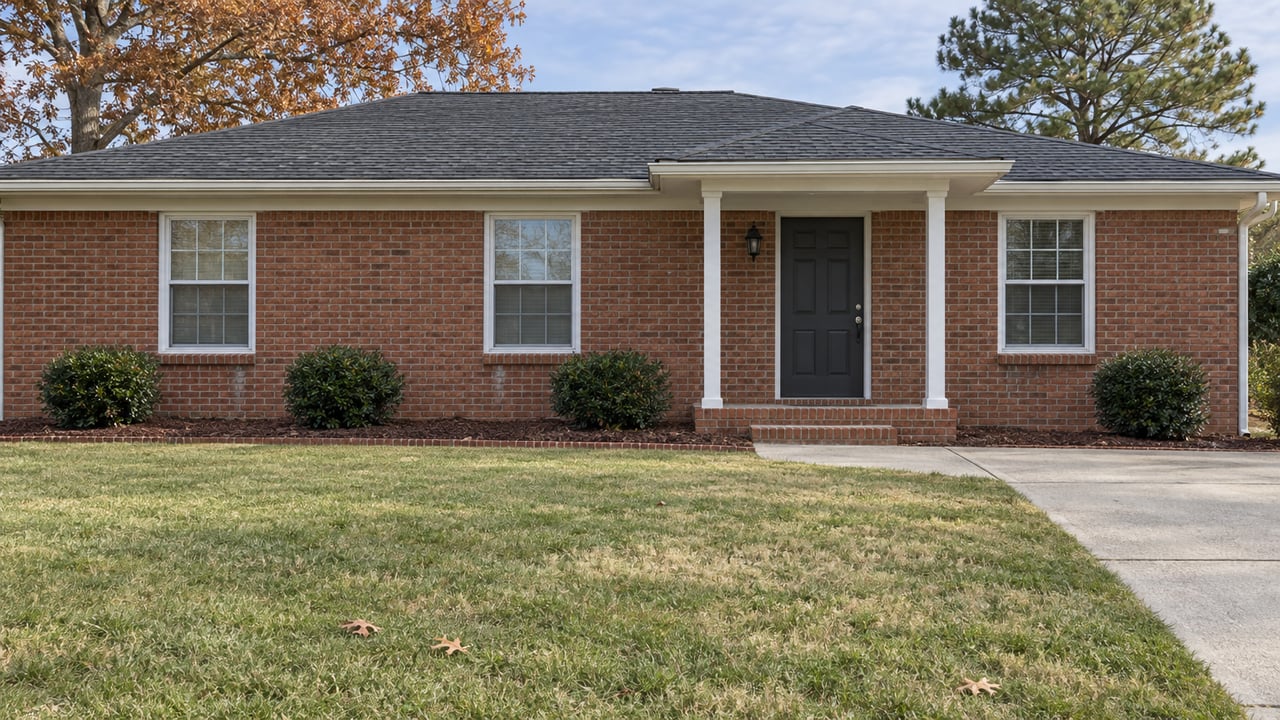
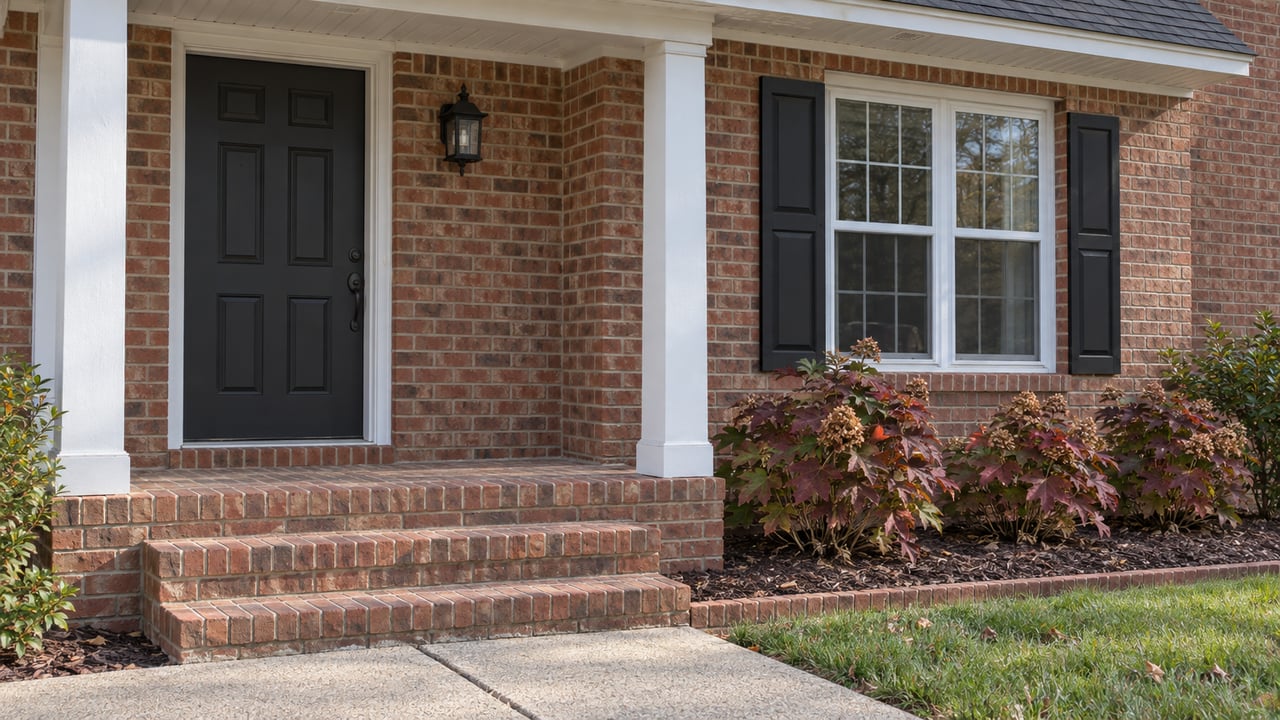
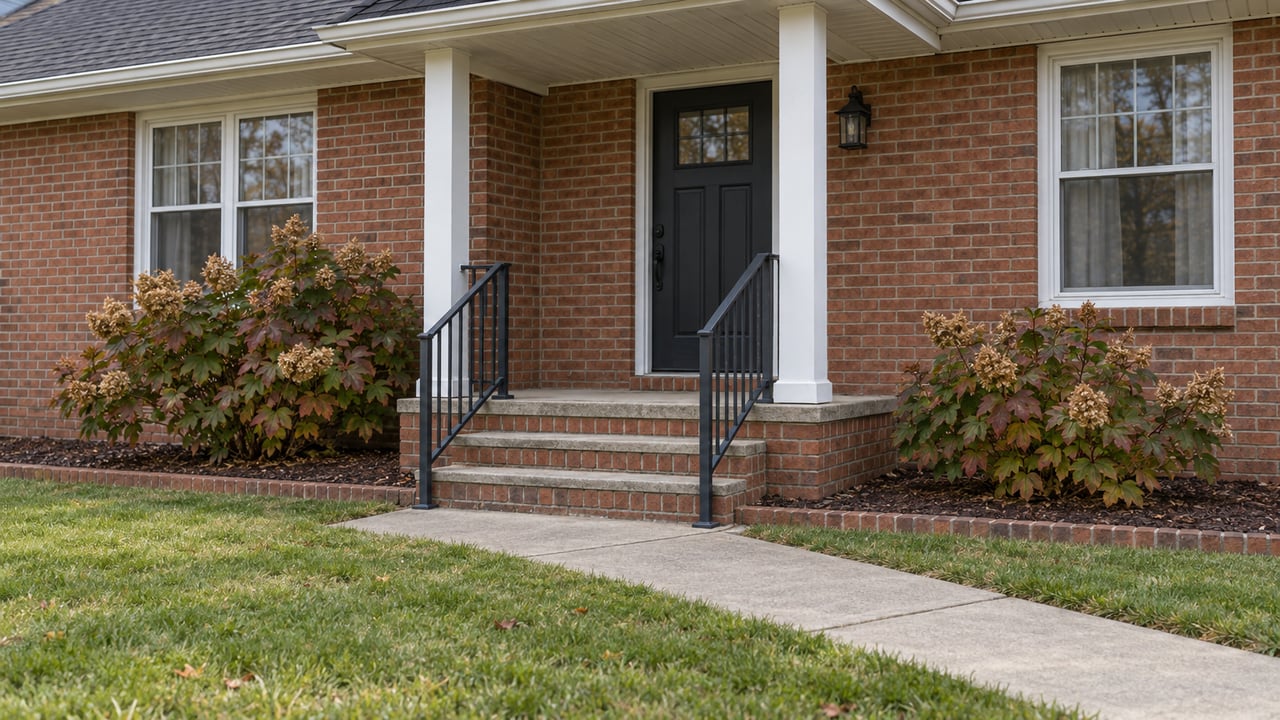
Your exterior sets the tone before a buyer ever walks inside. A clean, cared-for front approach suggests the rest of the home has been maintained the same way.
Begin by removing visible yard debris like leaves, pine cones, twigs, dead plants, and grass clippings. Wake Forest offers weekly curbside yard-waste collection and brush pickup, which can make pre-listing cleanup easier.
Next, wash siding, windows, porch surfaces, and walkways. Clear the gutters, and make sure downspouts move water away from the home. NC State Extension recommends directing water away from the foundation and extending downspouts 6 to 10 feet.
Finally, check that the front steps, walkway, and porch are well lit and free of clutter. Clear paths and good lighting help the home feel both welcoming and well maintained.
Quick exterior checklist
- Remove leaves, sticks, pine cones, and dead plants
- Sweep the porch and front walk
- Wash siding, windows, and entry surfaces
- Clear gutters and check downspouts
- Look for peeling paint or visible roof concerns
- Make sure lights work at the front entry
- Keep walkways clear and easy to navigate
Living room and family room checklist
The living room is the most important room to stage based on NAR’s survey findings. It is also one of the first places buyers study in listing photos, so this room should feel open, bright, and easy to understand.
Remove extra furniture that makes the room feel tight. Clear out personal items, minimize decor, and tuck away visible cords so the layout reads clearly in photos. NC State Extension also recommends keeping passageways clear and cords out of traffic areas.
If you have pets, plan to remove them during showings and reduce visible pet gear as much as possible. Food bowls, crates, and toys can distract from the room itself.
Living room checklist
- Remove excess furniture
- Store personal photos and highly specific decor
- Hide cords and chargers
- Open walk paths between major furniture pieces
- Vacuum or clean rugs and floors
- Minimize pet items before photos and showings
Kitchen and dining checklist
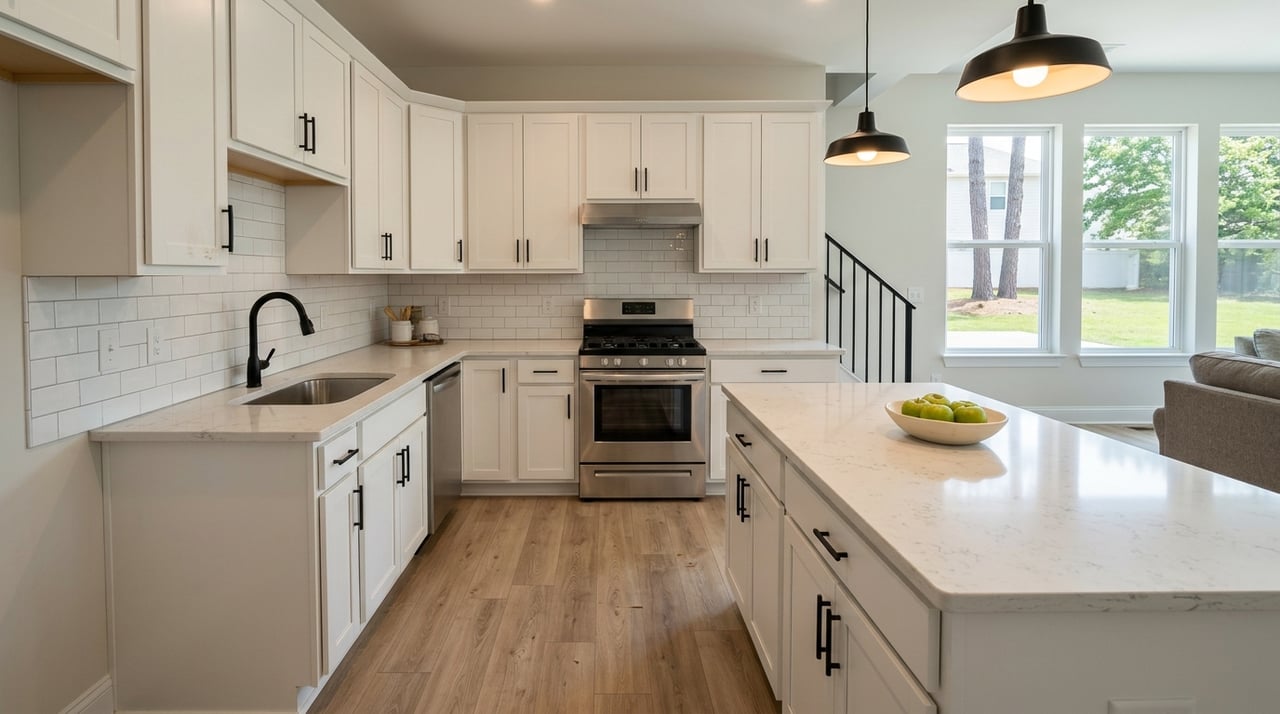
Kitchens carry a lot of emotional weight for buyers. Even if your finishes are not brand new, a clean and uncluttered kitchen can still feel fresh and functional.
Deep clean counters, appliances, sink areas, backsplashes, and grout. Keep countertops mostly clear so buyers can see workspace, not daily life. A few simple items are fine, but less is usually better.
Check under the sink for leaks, musty smells, and worn caulk. NC State Extension and NCDHHS both emphasize moisture control and proper venting as part of a healthy home. If your kitchen exhaust does not vent outdoors, that is worth reviewing before you list.
In the dining area, keep the table simple and avoid turning the space into storage. Buyers should be able to read the room quickly as a place to gather and use every day.
Kitchen and dining checklist
- Deep clean appliances, counters, sink, and grout
- Clear most countertop items
- Check under-sink plumbing for leaks or musty odors
- Refresh worn caulk if needed
- Confirm kitchen exhaust vents outdoors
- Keep the dining table neat and simple
Primary bedroom checklist
After the living room, the primary bedroom deserves your next best effort. Buyers tend to pay close attention to whether this space feels restful, clean, and spacious.
Use coordinated bedding, reduce decor, and keep nightstands and dressers mostly clear. The goal is to create a calm, simple look that photographs well.
Closets matter too. Reduce clothing and stored items so the space feels easier to use. If the room or closet feels stuffy or musty, improve airflow and address the moisture source since NC State Extension notes that moisture and poor ventilation drive mold growth.
Primary bedroom checklist
- Use simple, coordinated bedding
- Clear clutter from dressers and nightstands
- Remove excess furniture if needed
- Reduce closet contents
- Improve airflow if the room feels stale or musty
Secondary bedrooms checklist
Secondary bedrooms do not usually need the same level of styling as the main living spaces. Still, they should feel clean, functional, and easy to picture as flexible rooms.
Make the beds, clear floors, and remove overflow storage. If a bedroom doubles as an office, playroom, or workout area, simplify it so the room still feels spacious and purposeful.
Keep surfaces light on decor and avoid crowded closets. These rooms do not need to feel empty, but they should not feel overfilled either.
Bathrooms, laundry, and utility spaces
Bathrooms can quickly raise questions for buyers if they show signs of moisture or wear. Focus on cleanliness first, then repair the small issues that signal deferred maintenance.
Repair peeling caulk, cracked grout, and visible leaks around sinks, tubs, showers, dishwashers, or washing machines. NC State Extension notes that leaks and high humidity should be addressed quickly.
Run bath and laundry fans, and confirm they vent outdoors. NCDHHS and NC State Extension both stress outdoor venting for bathrooms, kitchens, and dryers, along with keeping humidity below 60%.
Before photos and showings, service the HVAC system and replace filters. Also make sure the dryer vents to the outside, not into the garage, attic, crawlspace, or another interior area.
Bathroom and laundry checklist
- Deep clean sinks, mirrors, tubs, showers, and toilets
- Repair worn caulk and damaged grout
- Fix visible leaks
- Confirm bath fans vent outdoors
- Confirm the dryer vents outdoors
- Replace HVAC filters
- Keep humidity under control
Garage, storage, and bonus areas
Storage areas do not need to look perfect, but they should feel organized. Buyers notice when the garage, attic access, or bonus space looks overloaded.
Pack away seasonal bins, sports gear, and anything you will not need before moving. This supports the whole-home decluttering that agents commonly recommend and helps your home feel more manageable.
If your cleanup creates yard debris or brush, follow Wake Forest’s curbside yard-waste rules for size, bagging, and placement. That can help you finish the exterior without leaving cleanup piles visible on photo day.
Safety and disclosure items to handle early
Before your home goes live, take care of a few practical items that can affect buyer confidence. Test smoke alarms and carbon monoxide alarms, secure loose rugs, and make sure cords do not cross walkways.
North Carolina also requires sellers of covered residential property to provide a residential property disclosure statement. The standard form covers major systems and conditions, including the roof, foundation, plumbing, electrical, heating and cooling, pests, restrictive covenants, and environmental hazards.
If your home is in an HOA or another mandatory-covenant community, a separate owners’ association disclosure is also required. For homes built before 1978, federal law requires disclosure of known lead-based paint hazards, delivery of the approved pamphlet, and a 10-day opportunity for the buyer to conduct a lead inspection or risk assessment unless waived.
Finish prep before photos
Do not schedule photos too early. The checklist should be completed before your media shoot so your listing enters the market with its best possible first impression.
This is especially important because photos, videos, and virtual tours all play a major role in listing marketing, and photos remain the most useful feature for many buyers searching online. Clean first, stage second, and then schedule photography and video.
A polished digital launch can make a real difference in how buyers respond to your home. That is where strong preparation and strong marketing work best together.
If you are getting ready to sell in Wake Forest, Carmelina Hall can help you build a smart prep plan, highlight your home with polished marketing, and launch with confidence.
FAQs
What rooms matter most when listing a Wake Forest home?
- The living room, primary bedroom, and kitchen are the top priorities based on NAR staging survey findings.
How should you prepare the exterior of a Wake Forest home before listing?
- Remove yard debris, wash surfaces, clear gutters, check downspouts, and keep the entry path well lit and free of clutter.
What should you fix before listing a Wake Forest home?
- Focus on visible leaks, worn caulk, grout damage, moisture issues, venting concerns, HVAC filters, and basic safety items like alarms, rugs, and cords.
When should listing photos be taken for a Wake Forest home sale?
- Photos should be scheduled after cleaning, staging, repairs, and exterior cleanup are complete so the home is fully ready for its online debut.
What disclosures are required when selling a home in North Carolina?
- Sellers of covered residential property must provide a residential property disclosure statement, and some homes also require owners’ association disclosures or lead-based paint disclosures for homes built before 1978.