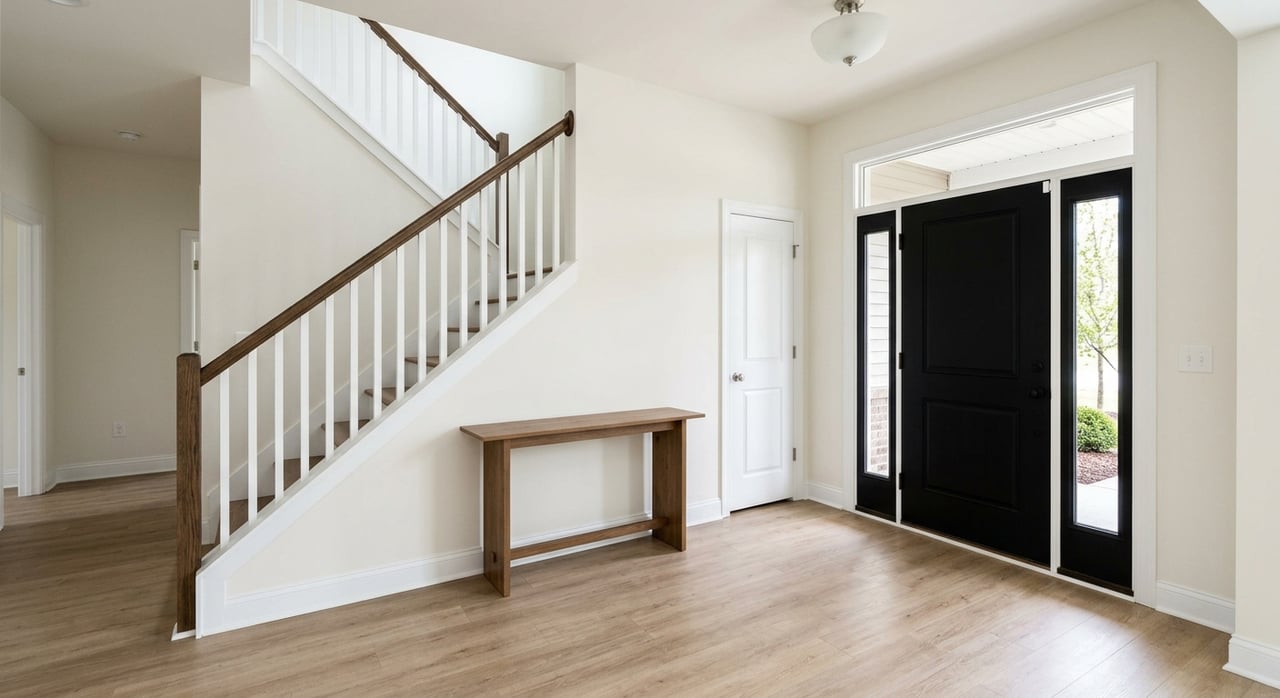
Moving out of town is stressful enough without trying to manage a home sale from miles away. If you are selling your Durham home while packing, coordinating a new address, and juggling deadlines, the process can feel like it has too many moving parts. The good news is that selling from afar is absolutely manageable when you have a clear plan, the right paperwork ready, and strong local support on the ground. Let’s dive in.
Start with the Durham sale timeline
When you are relocating, timing matters just as much as price. You need your listing, showings, inspections, move-out, and closing schedule to work together so you are not scrambling from another city.
In North Carolina, the buyer’s due diligence period is the buyer’s investigation window. The due diligence fee is negotiated but not mandatory, and a buyer may terminate during that period for any reason or no reason. That makes it especially important to plan ahead for access, repairs, and communication if you will already be out of Durham.
A simple written timeline can help keep everyone aligned. Before you leave town, it helps to know who will handle each task and when it needs to happen.
Gather disclosures before you move
One of the biggest mistakes out-of-town sellers make is waiting too long to collect property information. In North Carolina, sellers of residential property with one to four dwelling units generally must provide the Residential Property and Owners’ Association Disclosure Statement and the separate Mineral and Oil and Gas Rights Mandatory Disclosure Statement before an offer is made.
That disclosure is not just a box to check. North Carolina Real Estate Commission guidance says sellers must answer based on actual knowledge, and the duty can still apply even if the home was an investment property or was not owner-occupied.
If you are leaving Durham before your home hits the market, gather records while everything is still easy to access. That can include:
- HOA or association documents, if the property is in an HOA or covenant community
- Repair and maintenance records
- Permit paperwork for completed work
- Utility information
- Notes about systems, appliances, and known property conditions
The statutory disclosure can cover topics like water and sewer, structural components, plumbing, electrical, heating and cooling, pests, land-use restrictions, and environmental contamination. Having your paperwork organized early makes it much easier to complete disclosures accurately.
Use digital tools to keep the sale moving
If you are worried about needing to fly back for every signature, there is good news. North Carolina law recognizes electronic records and electronic signatures, and the state also has a remote electronic notarization framework.
For many relocating sellers, that means a sale can be handled in a mostly paperless way. The exact documents that can be signed or notarized remotely can depend on the closing process, but the legal framework is there to support a smooth remote transaction.
This is where a tech-savvy, responsive agent can make a real difference. Clear document review, fast updates, and digital coordination can help prevent avoidable delays when you are no longer local.
Prepare the home for remote showings
Once you leave Durham, your home still needs to make a strong first impression. Buyers are often seeing homes online first, and virtual tours and virtual showings are now a normal part of the process.
That means your listing media matters. A polished digital presence, strong photos, and a thoughtful showing plan can help your home stand out and help buyers feel confident scheduling an in-person visit.
Before you relocate, try to finish the basic listing prep so your home is ready to be shown without constant last-minute decisions. Focus on:
- Cleaning and decluttering
- Completing small touch-ups
- Removing unneeded personal items
- Making sure keys, entry instructions, and alarm details are organized
- Confirming how showings will be managed while you are away
A well-prepared home is simply easier to manage from another city.
Plan ahead for inspections and repairs
If there is one stage that needs close attention in an out-of-town sale, it is the inspection period. North Carolina Real Estate Commission guidance notes that inspections should be completed early enough in the due diligence period to give the seller time to respond before the deadline.
If more time is needed, an extension should be written into the contract. If repairs are completed, a re-inspection is wise.
For you as a seller, this means speed and coordination matter. You may need to review repair requests, approve work, and make decisions quickly while handling a move at the same time.
A local point person can help by:
- Coordinating access for inspectors and contractors
- Relaying time-sensitive updates
- Helping keep repair timelines on track
- Confirming the home is ready for any re-inspection or final walkthrough
Without a clear plan, this is often the point where remote sales get messy. With a strong system, it is very manageable.
Keep utilities on until the right time
It can be tempting to shut everything off the moment you move out, but that can create problems during the sale. Keeping utilities active through inspections and the final walkthrough usually makes it easier for buyers to test systems and complete the process smoothly.
In Durham, water and sewer service can be started or stopped online or by phone. A stop-service request generally results in disconnection by the end of the next business day, and any deposit is applied to the final bill.
That makes utility timing something you should plan, not guess at. In most cases, it is smart to wait until inspections and walkthroughs are complete before ending service.
Know what happens at closing
Closing from another city does not have to be complicated. Durham County’s Register of Deeds accepts e-recording and describes it as quick, efficient, and travel-saving. Electronically submitted documents can be processed and returned the same business day if received by 4:45 p.m.
That local digital infrastructure makes distance much less of a barrier than it used to be. You may not need to be physically present in Durham for the sale to be completed, depending on the closing process and document requirements.
After closing, you can also confirm that the deed has been recorded by checking Durham County’s online public records search. That extra step can give you peace of mind when you are already settling into your next home.
Update your address after the sale
Once the closing is done, do not forget the cleanup items. Durham County Tax Administration maintains real property ownership records for listing and taxation purposes, and county tax forms include spaces for the owner name, mailing address, and physical location.
If you have moved, make sure your forwarding address is up to date so tax notices and other records are not sent to the wrong place. This is a small step, but it can save you hassle later.
If a property tax bill arrives after your move, Durham County accepts payment by mail, in person, by phone, and by e-check. If utility service is still open at the old address, stop-service requests can be made online or by phone, and the final bill will be settled before any deposit refund is issued.
A simple out-of-town seller checklist
When you are relocating, the process feels easier when you break it into clear steps. Here is a simple checklist to keep in mind:
- Gather disclosures and property records before leaving Durham
- Confirm HOA documents, repair history, and permit records
- Create a listing and move timeline with written deadlines
- Prepare the home for photos, virtual marketing, and showings
- Keep utilities on through inspections and walkthrough
- Plan for quick communication during due diligence
- Coordinate repair access if requests come in
- Confirm closing document procedures for remote signing
- Check that the deed is recorded after closing
- Update your mailing address for tax and property records
Why local support matters
Selling from out of town is not just about paperwork. It is about having someone local who can help keep details from slipping through the cracks.
When your agent is responsive, organized, and comfortable with digital tools, the whole process feels more manageable. That is especially true when you need help coordinating showings, navigating inspection timelines, or keeping everyone aligned from list date to closing.
If you are planning a move away from Durham, the goal is not perfection. The goal is a sale that feels clear, well-managed, and less stressful, even when you are handling it from somewhere else.
If you are getting ready to sell your Durham home while relocating, Carmelina Hall can help you build a smart plan, market your home with care, and keep the process moving with clear communication every step of the way.
FAQs
Can you sell a Durham home after leaving North Carolina?
- Yes. North Carolina recognizes electronic records and electronic signatures, and the state has a remote electronic notarization framework, which can support a largely remote sale in many cases.
What disclosures do Durham home sellers usually need?
- For most residential transfers of one to four dwelling units, sellers generally must provide the Residential Property and Owners’ Association Disclosure Statement and the Mineral and Oil and Gas Rights Mandatory Disclosure Statement before an offer is made.
Does the disclosure duty apply if the Durham home was a rental or investment property?
- Yes. North Carolina Real Estate Commission guidance says the disclosure duty still generally applies even if the property was not owner-occupied or was held as an investment property.
Why should utilities stay on during a Durham home sale?
- Keeping utilities active through inspections and the final walkthrough usually makes it easier for buyers to test systems and complete the transaction without avoidable issues.
How can you confirm a Durham deed was recorded after closing?
- You can check Durham County’s online public records search after closing to confirm the deed has been recorded.
What Durham records should you update after moving?
- You should update your mailing or forwarding address so tax notices and other property-related records do not go to your former Durham address.