Thinking about buying a home in Knightdale that is part of a homeowners association? HOAs can keep neighborhoods looking great and amenities running smoothly, but the rules and fees also shape your day-to-day life and budget. If you understand the covenants and key documents upfront, you can buy with confidence and avoid costly surprises later. In this guide, you will learn what CC&Rs, bylaws, and ARC rules really mean in practice, how North Carolina law fits in, and exactly which documents to review before you make an offer. Let’s dive in.
HOA basics in Knightdale
In many Knightdale communities, an HOA manages common areas, enforces neighborhood standards, and collects dues. The core document is the recorded Declaration of Covenants, Conditions and Restrictions, often called CC&Rs. These covenants run with the property and typically bind future owners. You can find recorded covenants and amendments through the Wake County Register of Deeds.
North Carolina has statutes that guide planned communities and condominiums. These laws influence what associations must disclose and how they operate. You can review the North Carolina planned community statutes for high-level context.
When you buy in a North Carolina HOA, you should expect a formal resale or estoppel packet. This packet summarizes dues, fees, pending special assessments, and key rules so you and your lender have a clear snapshot before closing.
Key documents explained
CC&Rs: The big rules
The CC&Rs create the HOA and set binding restrictions around land use, exterior appearance, parking, leasing, pets, and more. These rules can control paint colors, fence types, and whether rentals are allowed or limited. Because CC&Rs are recorded against the property, they generally bind each new owner.
Articles and bylaws: How the HOA runs
The articles create the association as a corporation. The bylaws outline how the board is structured, how elections work, and how meetings are noticed and held. These rules affect how decisions get made, how quickly rules can change, and your ability to participate and vote.
Rules and policies: Daily living details
Boards adopt rules and regulations to carry out the CC&Rs. These cover items like trash pickup, parking passes, and amenity use. Boards can usually update these more easily than the CC&Rs, so check for recent changes.
Architectural guidelines and ARC process
If you plan to add a fence, paint your exterior, install a patio, or put up a shed, you will likely submit an application to the Architectural Review Committee, often called the ARC. Guidelines spell out standards, submittal requirements, and timelines. If you want to do exterior work soon after closing, ask about ARC timing and approvals before you make an offer.
Budget, financials, and reserve study
The annual budget and financials show what the HOA collects and spends. A reserve study estimates long-term needs for big items like roofing, paving, and amenities. Strong reserves lower the risk of surprise special assessments. Low reserves or frequent special assessments can signal higher future costs.
Meeting minutes and board actions
Minutes from the past 12 to 24 months often reveal trends. Look for discussion of special assessments, major repairs, litigation, rule changes, or enforcement patterns. Minutes can show how the board handles disputes and whether big projects are on the horizon.
Resale certificate and fees
The resale or estoppel certificate summarizes current dues, arrears, pending special assessments, and contact information. It often includes a fee to prepare the packet and may list administrative or transfer fees due at closing. These amounts appear on your settlement statement, so you will want to know them early and confirm who pays.
Common Knightdale variations
Dues and what they cover
Dues vary based on amenities and property type. Townhome communities may include exterior maintenance, while single-family neighborhoods often do not. Some areas have master and sub-association dues. Always confirm what services are included and whether increases are planned.
Rental rules
Some associations limit short-term rentals or cap the number of leased homes. Others allow rentals with few restrictions. If renting is part of your plan, verify any caps, waiting periods, or lease requirements in the CC&Rs and rules.
Pets, vehicles, and parking
Rules can limit pet types or sizes, set parking locations, and restrict commercial vehicles. If you have pets or work vehicles, confirm that your needs fit the rules before you commit.
Amenities and their condition
Pools, playgrounds, sidewalks, and trails affect your lifestyle and dues. Visit amenities in person if possible. Check minutes and the reserve study for maintenance plans, renovations, or expected replacements.
Enforcement and dispute handling
Some HOAs follow a clear enforcement process, while others are more informal. Review the fine schedule, recent enforcement actions in minutes, and any active disputes or litigation.
Local rules to check
Town ordinances and permits work alongside HOA rules. HOA rules cannot override the town’s laws, and the town’s baseline may be less strict than your HOA. For topics like short-term rentals, fences, setbacks, or accessory structures, review the Town of Knightdale municipal resources and ask about required permits.
Covenants, plats, and amendments are recorded with the county. You can research recorded documents through the Wake County Register of Deeds. For general consumer guidance about HOAs, the Community Associations Institute offers helpful resources. If you have questions about broker duties or disclosures, the North Carolina Real Estate Commission is a good starting point.
Checklist before you offer
Here is a practical list to request and review. Many of these items appear in the resale packet. Ask the seller or listing agent to order it early.
- Resale or estoppel certificate with current dues, any arrears, pending special assessments, transfer or administrative fees, and management contacts.
- CC&Rs with all recorded amendments.
- Articles of Incorporation and bylaws.
- Rules and regulations or policies.
- Architectural guidelines and ARC application form.
- Current operating budget and last fiscal year financials.
- Most recent reserve study or a statement of reserve funding and current reserve balance.
- Board and membership meeting minutes for the last 12 to 24 months.
- Insurance summary for the association and deductible amounts.
- Evidence of any current litigation involving the association.
- Management contract and contact information, if applicable.
- Rental and leasing rules, including any wait periods or percentage caps.
- List of pending or planned projects with estimated costs and timing.
- Any recorded ARC approvals or open violations tied to the specific lot or unit.
- Plats and easements that impact the property.
- Disclosure of known violations or open enforcement actions for the property.
Steps and timing
- Request the resale packet as soon as possible. Preparation can take days to weeks depending on the management company and time of year.
- Include an HOA documents review contingency. Many buyers request 7 to 14 days, depending on the pace of the transaction.
- Ask your title company to review recorded covenants and check for HOA liens. The Wake County title search will show recorded encumbrances.
- If you plan renovations, contact the ARC about likely approvals, requirements, and timelines before you offer.
- If rentals or pets matter to you, request the exact rule citations and any recent enforcement related to those topics.
- Review minutes for signs of special assessments, deferred maintenance, reserve shortfalls, or litigation.
- Confirm the payoff of any HOA amounts due at closing with a recent estoppel or payoff letter.
Red flags and green lights
Red flags
- Low or no reserve funds and a history of special assessments.
- Ongoing litigation involving the association or major vendors.
- Rapid dues increases or major projects without clear funding.
- Recorded HOA liens or aggressive collection activity in recent history.
- Strict rental prohibitions that do not fit your goals.
- Frequent ARC denials or heavy enforcement in the minutes.
Green lights
- A current reserve study and healthy reserve balance relative to upcoming projects.
- Clear, consistent enforcement policies and transparent board communication.
- Meeting minutes that show proactive maintenance and sound planning.
- Detailed budgets and financials with stable dues and no hidden fees.
Townhomes vs single-family
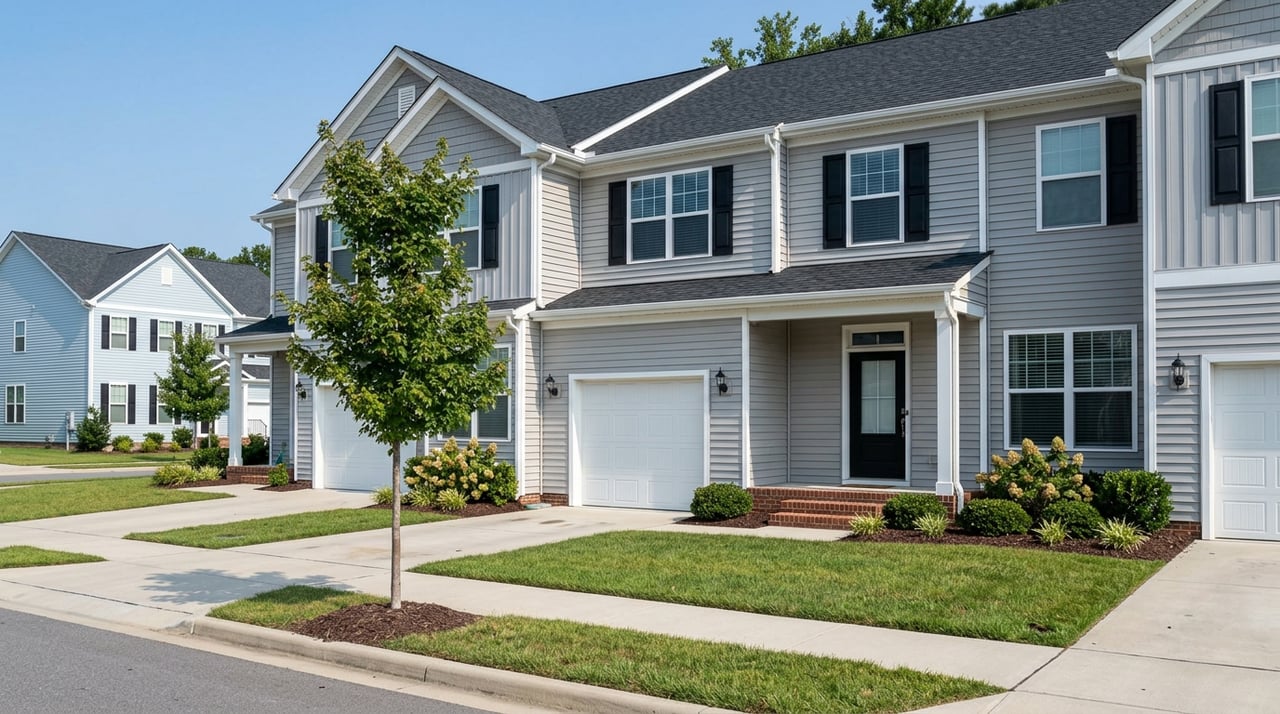
In Knightdale, townhomes and single-family homes often handle maintenance differently. Townhome dues may include exterior or roof maintenance, while single-family homes usually leave exterior upkeep to each owner. Amenities like pools or clubhouses can increase dues for either property type. If you compare options, line up the dues side by side and note what is included so you can see the true monthly cost.
How your agent helps
A local agent can help you request the right documents early, coordinate with the management company, and spot patterns in budgets and minutes. If you are relocating or short on time, virtual walkthroughs and quick summaries can speed up your decision. With clear communication and strong team support, you can move forward with confidence.
If you are considering a home in a Knightdale HOA and want a plan to review the documents, weigh the fees, and protect your timeline, reach out to Carmelina Hall. Let’s connect for a buyer consultation and map your next steps.
FAQs
What is a North Carolina HOA resale certificate?
- It is a summary prepared for a sale that lists dues, unpaid amounts, pending special assessments, fees due at closing, and key contacts so you and your lender can close smoothly.
How do I find recorded covenants for a Knightdale home?
- Search the recorded CC&Rs and amendments with the Wake County Register of Deeds, or ask your title company to reference the document numbers in your title commitment.
Can an HOA in North Carolina foreclose for unpaid dues?
- Many associations can file a lien and pursue collection based on their documents and state law; review your resale packet and consult the North Carolina planned community statutes for context.
Are short-term rentals allowed in Knightdale HOAs?
- It depends on each community’s CC&Rs and rules, and also on town regulations; check your documents and the Town of Knightdale resources before you commit.
What do HOA dues usually cover for townhomes vs single-family?
- Townhome dues may include exterior maintenance, while single-family communities often do not; always confirm inclusions in the budget, rules, and resale packet.
How long does ARC approval take in Knightdale communities?
- Timelines vary by association and management; review the architectural guidelines and ask the management company for current processing times before you plan any projects.