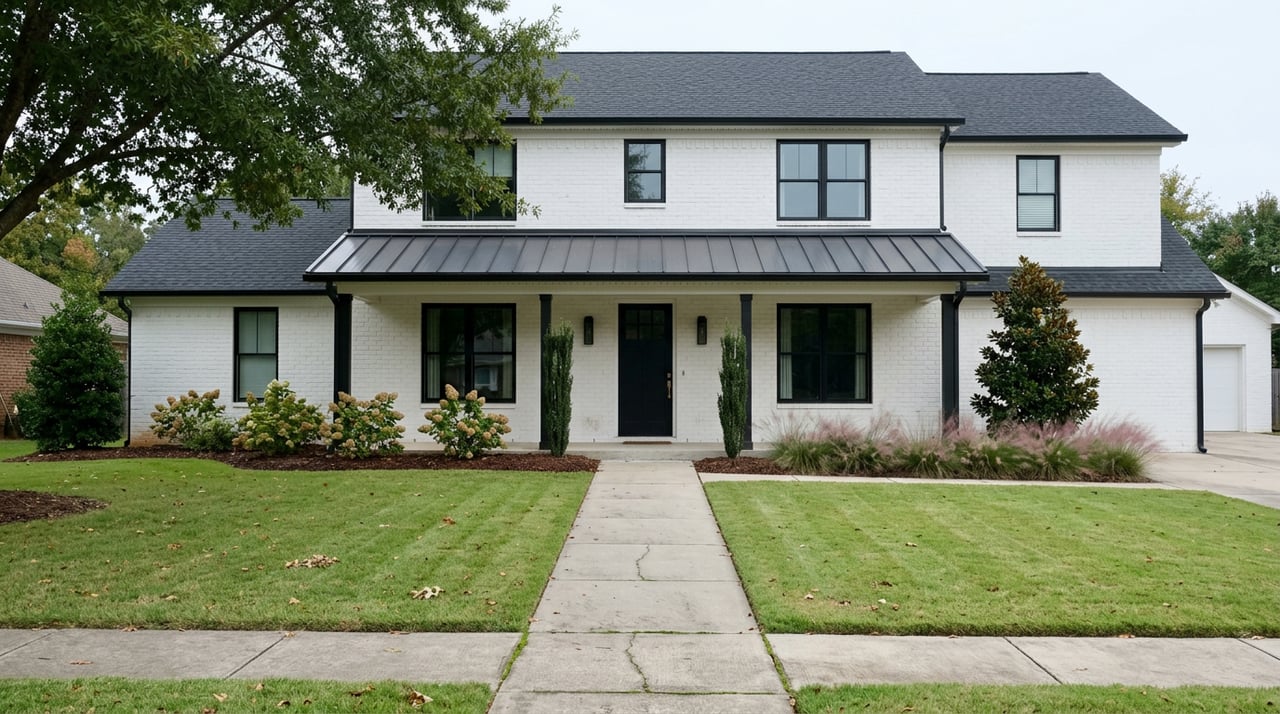
According to The News & Observer, Raleigh's planning director, Pat Young, said, "It really is a matter of economics," when asked why so many older homes inside the Beltline have been disappearing.
That line explains more about the current inside-the-Beltline market than any listing description ever will. If you're comparing a bungalow-lined street in Mordecai to a newer subdivision out past the Beltline, you're probably assuming the premium you'd pay is for the walk to Person Street, the tree canopy, the proximity to downtown. All of that is real. But there's a second, quieter number sitting underneath the price tag, and it has nothing to do with charm. It's about what the lot itself is now allowed to become.
The zoning change that rewired the math
Between 2021 and 2022, Raleigh's city council adopted a pair of ordinances known as TC-5-20 and TC-20-21, part of what the city calls its missing middle housing reform. Before those changes, most residential lots inside the Beltline could legally hold exactly one house. After them, the same lot in most residential zones could hold a duplex, a pair of townhomes, or a small cluster of units, with lot size and setbacks doing the work that a strict density cap used to do. The city's own explanation of the changes lays out exactly what shifted and where it applies, and it's worth reading if you're shopping a specific block, because the rules don't apply evenly across every zone.
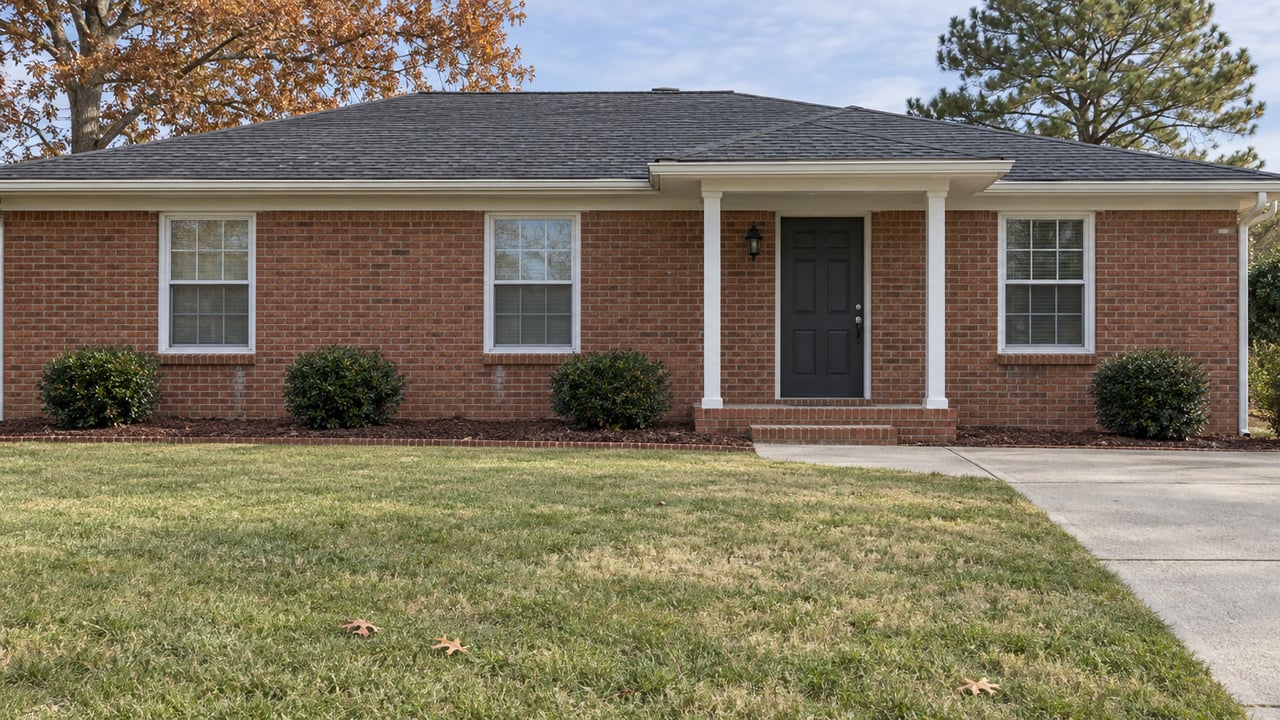
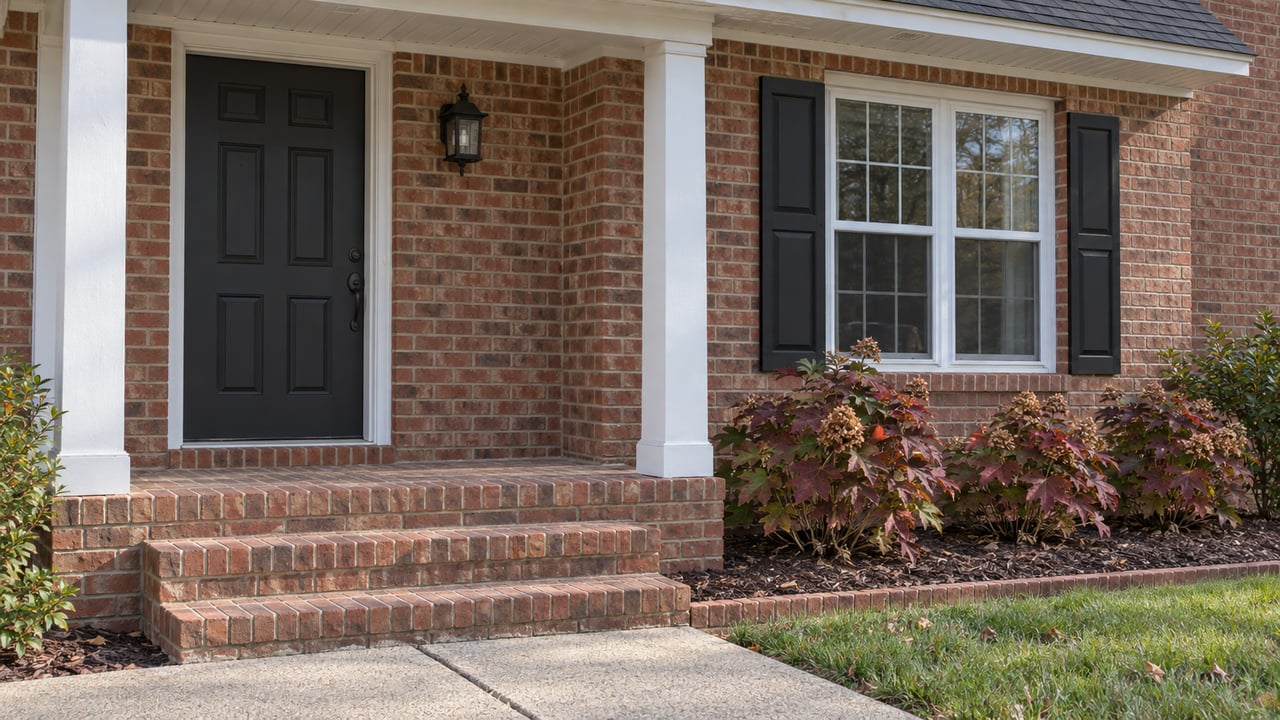
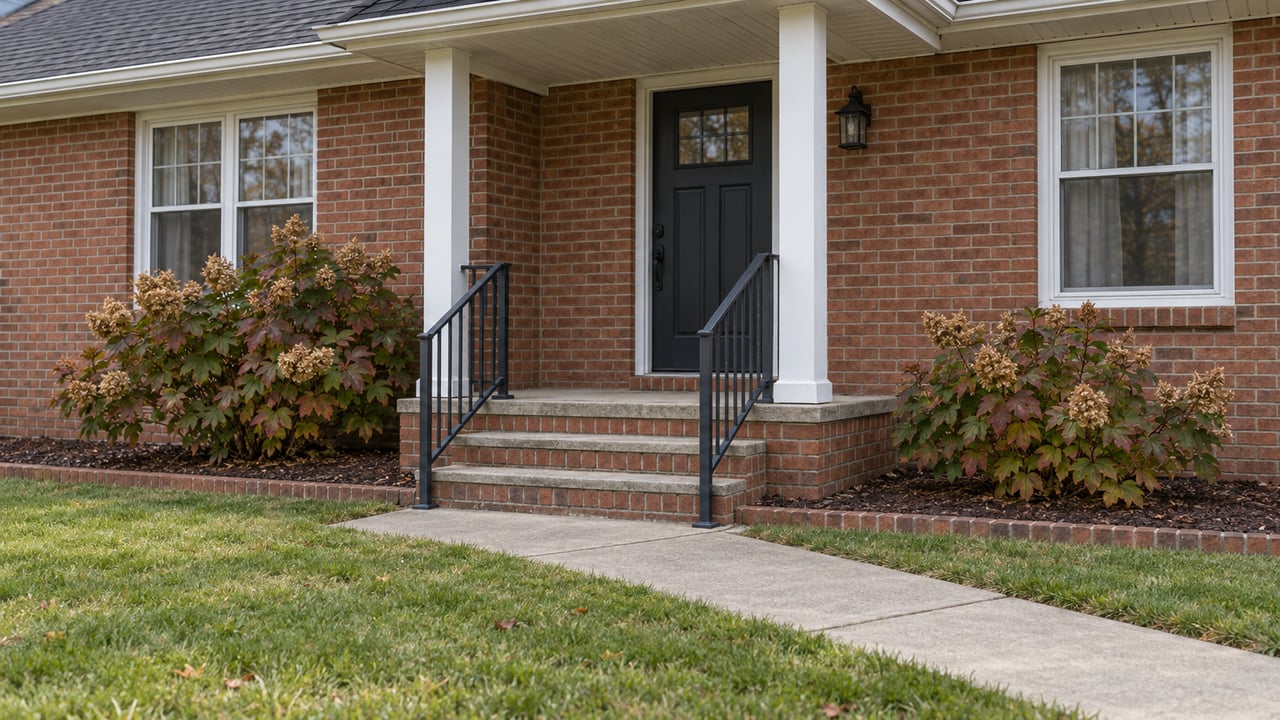
That single change turned an aging three-bedroom on a generous lot into something closer to a call option. The house itself might need a new roof and updated wiring. The land underneath it, on the other hand, can now legally support two sale-able front doors instead of one.
The number that makes the decision for you
Here's where it gets concrete. In comments reported earlier this year, Young said a new single-family home built inside the Beltline typically sells in the range of $1 million to $1.1 million. A pair of townhomes built side by side on that same lot sells for roughly $550,000 to $700,000 each. Add those two units together and a builder is often looking at combined revenue well north of what a single new house would bring, on the same footprint, for less finished square footage per unit and, in many cases, a shorter construction timeline than a full custom build.
That's not a marginal difference. It's the kind of spread that turns a builder's spreadsheet decision into an easy one. As Young put it, buying an aging house comes down to three real options: leave it as is, renovate it, or tear it down and start over. Once code-mandated upgrades on an old structure start stacking up against the revenue math on two new units, the third option usually wins.
How fast this actually showed up
The zoning changed in 2021 and 2022. The visible effect on Raleigh's streets took a few years to catch up, which is itself informative if you're trying to time a purchase or a sale.
| Year | Residential demolitions, citywide |
|---|---|
| 2023 | 105 |
| 2024 | 124 |
| 2025 | 252 |
The jump between 2024 and 2025 is more than double. Not every one of those permits was a straight teardown-and-rebuild, but city planning staff have said most were. The lag between the ordinance and the spike suggests it took time for builders, lenders, and buyers to line up around the new math, and that the pace may still be accelerating rather than leveling off. If you're watching a specific street today and it still looks untouched, that's not necessarily evidence the street is protected. It may just mean the math hasn't caught up to that block yet.
Not every "historic" street means what you think it means
This is where buyers get tripped up, and it's a different trap than the one Hoodline describes: demolitions in Raleigh's designated historic overlay districts require a certificate of appropriateness. That's a real, enforceable brake on redevelopment.
Hayes Barton is a different case, and it's instructive precisely because it sounds similar. Local coverage of the fight there refers to it as a historic neighborhood, yet Raleigh Forward reports that the city approved a developer's plan for 17 to 18 townhomes on a single-family lot under the missing middle ordinances. That approval, not a design review process, is what triggered the lawsuit neighbors filed. Whatever informal historic character a street carries, it isn't the same thing as sitting inside one of Raleigh's designated Historic Overlay Districts, the ones that actually require a certificate of appropriateness before a house comes down
If a stable, unchanging streetscape matters to you, the zoning designation is the thing to check, not the age of the houses on the block.
The lawsuit that still hasn't resolved
The Hayes Barton project also produced Raleigh's most consequential legal fight over missing middle housing, and as of this writing it's still open. Homeowners there sued the city, arguing the missing middle ordinances themselves were improperly adopted. In December 2025, the North Carolina Court of Appeals ruled that the homeowners' case against the city can continue in trial court, while a related claim against the project's developer was dismissed. City attorneys have argued in court filings that overturning the ordinances would put housing projects across Raleigh in jeopardy, which tells you how much weight the outcome carries beyond this one neighborhood. An update on the litigation from the spring of 2025 described the parties as nearing the end of discovery and estimated the case could take another one to two years to fully resolve, a timeline the December 2025 appellate ruling is consistent with, since it sent the underlying dispute back to trial court rather than closing it out.
Nothing about that lawsuit has paused new missing middle construction elsewhere in the city. But it does mean the legal ground under these reforms isn't fully settled, and a buyer weighing two similar-looking blocks might reasonably want to know whether either one sits inside a project or covenant dispute that's still active.
What this means if you're comparing neighborhoods
An architect who advocates for more housing supply in Raleigh summed up the confusion well: teardown decisions come down to development math, and most people assume the builder is simply chasing maximum profit, when the calculation is really about what a specific lot is zoned to hold. That's the practical takeaway here. If you're comparing an established inside-the-Beltline street to something newer farther out, the premium you're pricing isn't only about the neighborhood you'd be joining today. It's also about what the lot next door, or the one you're buying, is legally permitted to become tomorrow.
A few things worth checking before you fall in love with a specific block:
- Look up the zoning designation on the property itself and on the neighboring lots, not just the neighborhood's reputation.
- Ask whether the street sits inside a local Historic Overlay District, which requires design review, versus a neighborhood that's simply old.
- Check whether any nearby project is tied up in active litigation over a covenant or a missing middle approval, since that can stall or reshape what gets built next door.
None of this makes an inside-the-Beltline purchase a bad idea. Public sales data shows homes in Five Points selling at a median of $964,671 in July 2026, up nearly 14 percent from a year earlier, which tells you demand for these blocks hasn't cooled even as the housing stock around them changes. It just means the premium you're paying is buying something more specific than walkability. It's buying a lot's position in an active market, and that position can shift under you in ways a median price on a portal listing will never show.
FAQ
Does this apply to every home inside the Beltline? No. Zoning district matters more than location alone. Some lots fall under R-1, which was left out of the density changes
How do I find out if my street could see this kind of change? The city's missing middle explainer and its ongoing metrics page are the most direct sources for checking zoning district and by-right allowances on a specific address.
Is this zoning likely to be reversed? It's genuinely uncertain. The Hayes Barton litigation was sent back to Wake County Superior Court in December 2025, and the outcome could affect how these reforms apply citywide. Nothing currently suggests the ordinances are being rolled back, but the legal question isn't closed.
If you're weighing an older inside-the-Beltline street against a newer build farther out and want someone who can walk the zoning history of a specific lot with you before you write an offer, Carmelina Hall is a phone call or a message away. Reach out for a buyer consultation and get the actual math on the block you're considering, not just the listing photos.
This article is general information, not legal, tax or financial advice. Consult a qualified professional about your situation.