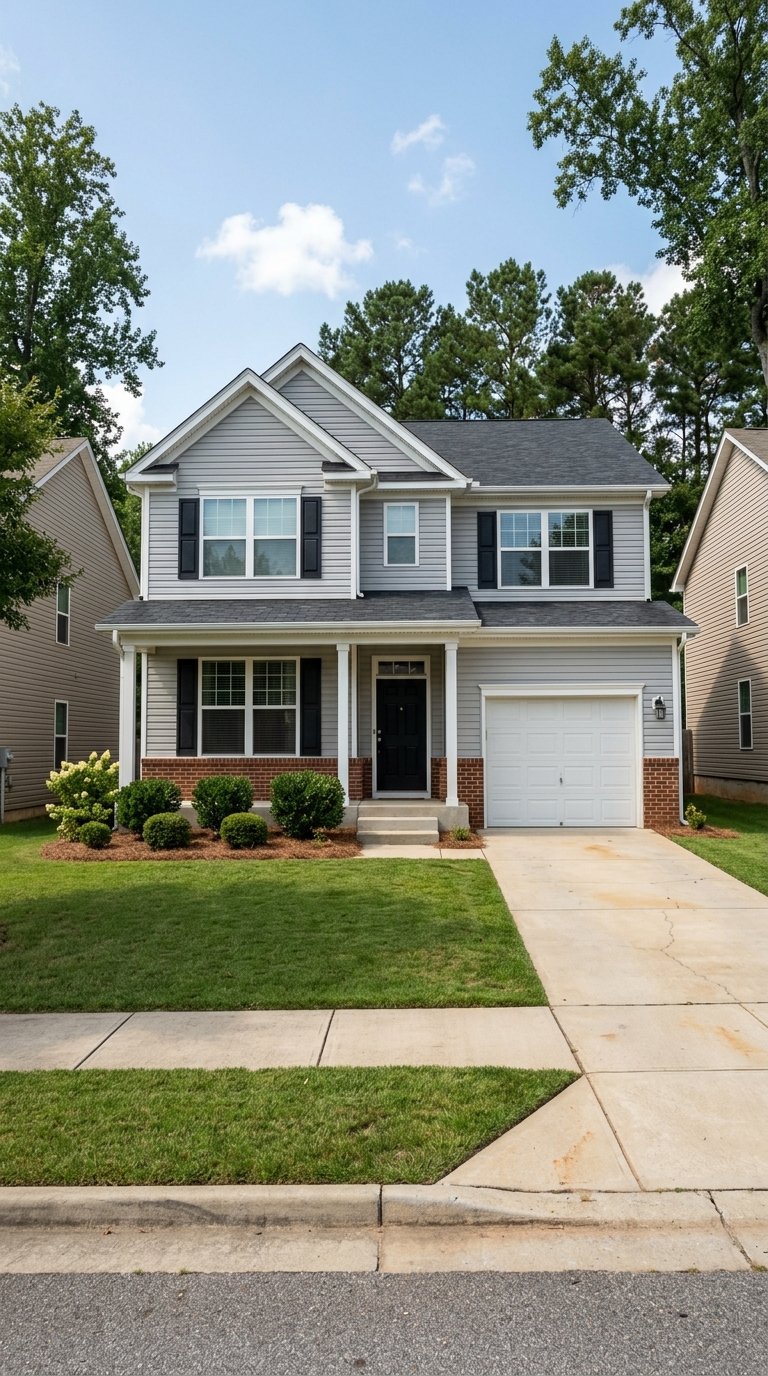
If you are searching for a town where outdoor space feels built into your routine, Wake Forest makes a strong case fast. Here, parks and greenways are not just weekend extras. They shape how you walk, exercise, meet friends, attend events, and spend time outside close to home. If you are thinking about a move, understanding that day-to-day lifestyle can help you picture what living here might actually feel like. Let’s dive in.
Why parks matter in Wake Forest
Wake Forest’s park system is a real part of everyday life. The town’s Parks, Recreation & Cultural Resources Department manages 561 acres of parks, open space, natural land, and trails, along with more than 50 miles of developed and undeveloped greenway trails.
That scale matters because it gives you options for different kinds of routines. You might use a trail for a morning walk, a playground for an afternoon stop, a community center for indoor activity, or a larger park for events and outdoor recreation. The town also describes greenways as both transportation and recreation corridors, which shows how these spaces support more than leisure.
Most greenways are open from dawn to dusk and are not lighted at night. The town notes that they are used by walkers, cyclists, people with strollers, commuters, dog walkers, and people with mobility impairments, so the system serves a wide range of daily needs.
Joyner Park anchors daily life
E. Carroll Joyner Park is Wake Forest’s largest park at 117 acres, and it gives you a good sense of how the town blends open space with regular community use. The park includes three miles of paved trails, restored farm buildings, a pecan grove, a 1,000-seat amphitheater, Walker Garden, Performance Garden, charcoal grills, and fishing.
For many residents, that means one place can fit several parts of the day. You can go for a walk, spend time outdoors, attend a community event, or enjoy a quiet afternoon without needing to drive far across town.
The Joyner Park Community Center adds an indoor layer that makes the park useful in more seasons and weather conditions. It includes a walking track, gymnasium for basketball, volleyball, and pickleball, multi-purpose rooms, a dance studio, and a kitchen.
Joyner Park also stands out because of recurring town programming. Concerts in the Park, Six Sundays in Spring, and Family Movie Nights help turn the park into a consistent civic gathering place, not just a scenic backdrop.
Flaherty Park supports active routines
J.B. Flaherty Park offers a different kind of everyday value. This 100-acre activity park includes a community center, three lighted baseball and softball fields, a playground, an outdoor fitness court, a picnic shelter, two recreational ponds, four lighted pickleball courts, and four lighted tennis courts.
If your routine leans more active, this is the kind of place that can become part of your weekly schedule. You may come for a court, a field, a walk, or a quick stop at the playground and find that the park fits into your day more easily than expected.
This area is also especially relevant for dog owners because the town’s facilities inventory includes Flaherty Dog Park. Combined with the nearby trail connection, it adds another layer of convenience for households that want outdoor options close by.
Holding Park and the Reservoir add variety
Holding Park shows how even smaller sites can have a meaningful impact on daily life. The five-acre park includes the Wake Forest Community House, Holding Park Aquatic Center, an inclusive playground that opened in March 2024, a rain garden, picnic tables, charcoal grills, and a basketball court.
That mix makes the area useful for both routine stops and special occasions. The Wake Forest Community House, which opened in 1942, remains a rental venue for family reunions, weddings, and other gatherings, adding a practical community function alongside the park and pool.
For a quieter outdoor option, the Wake Forest Reservoir offers a different pace. It includes a 1.6-mile soft trail, fishing with permits and licenses, a concrete boat launch, and access for paddle and electric-powered boats.
If you like the idea of balancing active public spaces with calmer natural settings, that variety is one of Wake Forest’s strengths. You are not limited to one style of recreation.
Greenways connect more than trails
One of the most appealing parts of everyday life in Wake Forest is how greenways link destinations together. The town specifically describes greenways as transportation corridors, which means they can support movement between neighborhoods, parks, and nearby destinations, not just recreation.
That connection can change how a town feels. A trail that links you to a park, downtown area, or nearby community gives you another way to move through your day and another reason outdoor space becomes part of your routine.
Dunn Creek Greenway
Dunn Creek Greenway is a 1.0-mile paved and boardwalk trail that runs from the Smith Creek Soccer Center to the NC-98 bypass culvert. The town says it connects to Deacons Ridge, Cardinal Park, and offers easy access to downtown Wake Forest.
Smith Creek Greenway
Smith Creek Greenway is 1.15 miles long and runs from Burlington Mills Road to the Neuse River Greenway Trail. It includes a 558-foot bridge over the Neuse River and is partially shaded. The town says this route links Wake Forest to a broader regional greenway system reaching Raleigh, Knightdale, and Clayton.
Sanford Creek at Heritage South
This 0.85-mile trail uses asphalt, concrete, and boardwalk surfaces. It connects several streets in Heritage South and links to Rolesville’s Mill Bridge Nature Park, showing how local trails can also support access beyond town lines.
Richland Creek and smaller connectors
The Olde Mill Stream section of the Richland Creek Greenway is a 0.35-mile mostly shaded trail, and the town plans future extensions north and south, including a future connection to Joyner Park. Tyler Run Park Trail and Flaherty Park Trail are shorter paved connectors, but they still matter because they tie playgrounds, athletic fields, community facilities, and nearby streets together.
Downtown adds to the routine
Parks and greenways are only part of the lifestyle picture. Downtown Wake Forest adds another layer by bringing errands, events, and gathering spaces into a walkable district centered on locally owned retail, dining, entrepreneurship, arts, culture, and signature events.
That matters because a strong routine is often built from smaller repeat activities. A Saturday morning market trip, an evening event, or a stop for a meal after time on a trail can make a town feel easier to enjoy on a regular basis.
The Wake Forest Farmers’ Market operates year-round on Saturday mornings behind Town Hall along South Taylor Street. For many households, that can become part of a steady weekend rhythm for food shopping and casual social time.
The Wake Forest Renaissance Centre for the Arts adds more options through classes, exhibits, and performances for children and adults. The Wake Forest Center for Active Aging also supports adults age 55 and older with activities such as aerobics, line dancing, painting, and crafts.
Together, these spaces widen the lifestyle appeal. They show that Wake Forest supports outdoor recreation, civic events, and community programming across different age groups and interests.
Community events make spaces feel lived-in
A park system becomes more meaningful when people use it regularly, and Wake Forest has recurring programming that reinforces that pattern. The 2026 community events calendar includes Good Neighbor Day, Concerts in the Park, Six Sundays in Spring, Family Movie Nights at Joyner Park, Dive-In Movies, and National Trails Day 5K/3K.
These events help public spaces feel active and familiar rather than occasional destinations. If you are considering a move, that can be important because it gives you a clearer picture of how often you might actually use the town’s amenities.
What this means if you are moving to Wake Forest
If you are buying a home in Wake Forest, parks and trail access can shape your daily experience in practical ways. You may care about being near a paved walking trail, a community center, a dog park, a pool, fishing access, downtown events, or flexible outdoor space that fits different ages and interests.
This is especially helpful for buyers who are relocating or trying to narrow down areas from a distance. Instead of thinking only in terms of commute time or square footage, you can also think about how your routine might work once you are here.
For sellers, this same lifestyle story matters when positioning a home. Proximity to repeat-use amenities like trails, parks, community spaces, and downtown gathering spots can help buyers understand the value of the location in a more personal and practical way.
Wake Forest’s appeal is not built around one single attraction. It comes from the way parks, greenways, community centers, downtown spaces, and recurring events all support everyday living.
If you want help finding a home near the trails, parks, and community spaces that fit your routine, or if you want to position your current home around the lifestyle buyers are looking for, Carmelina Hall would love to help with a buyer consultation or free home valuation.
FAQs
What makes Wake Forest parks important for daily life?
- Wake Forest’s park system includes 561 acres of parks, open space, natural land, and trails, plus more than 50 miles of developed and undeveloped greenway trails, which makes outdoor space part of many daily routines.
Which Wake Forest park has the most amenities?
- E. Carroll Joyner Park is the town’s largest park at 117 acres and includes paved trails, gardens, restored farm buildings, an amphitheater, grills, fishing, and a community center with indoor recreation spaces.
Are Wake Forest greenways just for recreation?
- No. The town describes greenways as transportation and recreation corridors, and they are used by walkers, cyclists, commuters, people with strollers, dog walkers, and people with mobility impairments.
Which Wake Forest parks are useful for active recreation?
- J.B. Flaherty Park is a strong option for active routines because it includes lighted baseball and softball fields, pickleball courts, tennis courts, an outdoor fitness court, a playground, and access to the dog park area.
What outdoor options are quieter in Wake Forest?
- The Wake Forest Reservoir offers a quieter setting with a 1.6-mile soft trail, fishing access with permits and licenses, a boat launch, and access for paddle and electric-powered boats.
How does downtown Wake Forest fit into the lifestyle?
- Downtown Wake Forest adds walkable access to locally owned retail, dining, arts, culture, signature events, and the year-round Saturday farmers’ market, which makes it part of many weekly routines.
Why do parks and greenways matter when buying a home in Wake Forest?
- These amenities can affect how you spend your time day to day, from walks and workouts to community events and weekend errands, so they are useful to consider alongside home features and location.